Portable Generator Home Connection: What to Know
When the power goes out, a portable generator can provide an additional source of electricity for essential equipment and appliances. However, connecting a portable generator to a home requires more than simply bringing the generator outside and connecting it to the...
50 Hz Generators: What Industries Use Them?
Selecting generation equipment that matches a facility’s electrical requirements is essential for reliable power delivery. One key factor is frequency, which affects equipment compatibility and performance. While 60 Hz power is standard in the United States,...
EPA Emissions Tier Ratings for Generators Explained
EPA emissions tier ratings help explain how diesel engines are regulated for air pollution and what those standards mean when selecting generator equipment. These standards set limits on emissions from nonroad diesel engines, including those used in many industrial...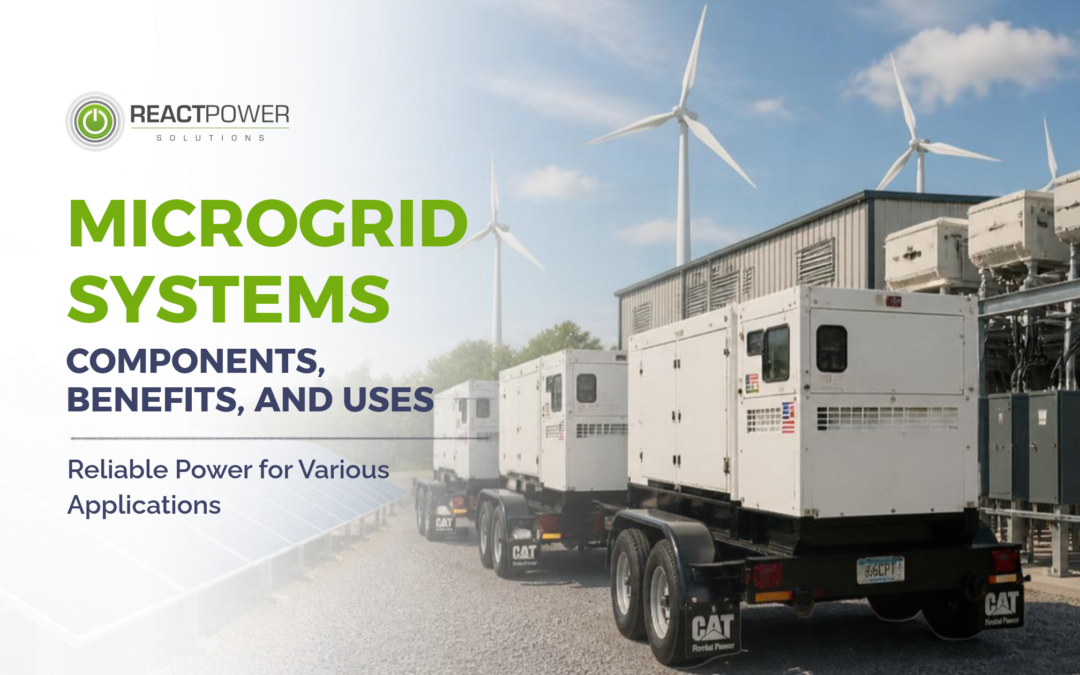
Microgrid Systems: Components, Benefits, and Uses
Microgrid systems offer businesses and industrial facilities another way to manage their power needs, improve energy resilience, and maintain operations during utility outages. By combining on-site generators, energy storage, and other power sources with intelligent...
React Power Solutions Helps Contractor Secure Replacement Diesel Engine
React Power Solutions sourced an urgent replacement engine through its partner network, helping a trenching contractor avoid a potentially lengthy equipment search. HOUSTON, TEXAS – October 13, 2026 – React Power Solutions recently helped a trenching contractor secure...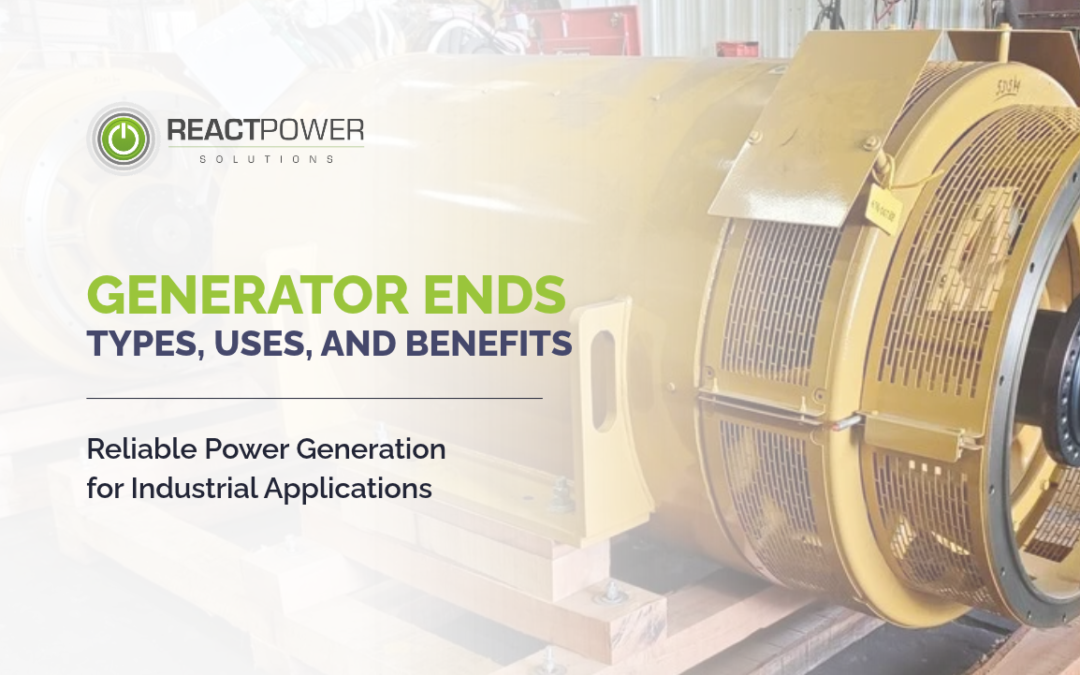
Generator Ends Explained: Types, Uses, and Benefits
Industrial facilities rely on dependable power generation equipment to support manufacturing, processing, commercial, and other demanding operations. While the engine provides the mechanical power, the generator end converts that mechanical energy into electrical...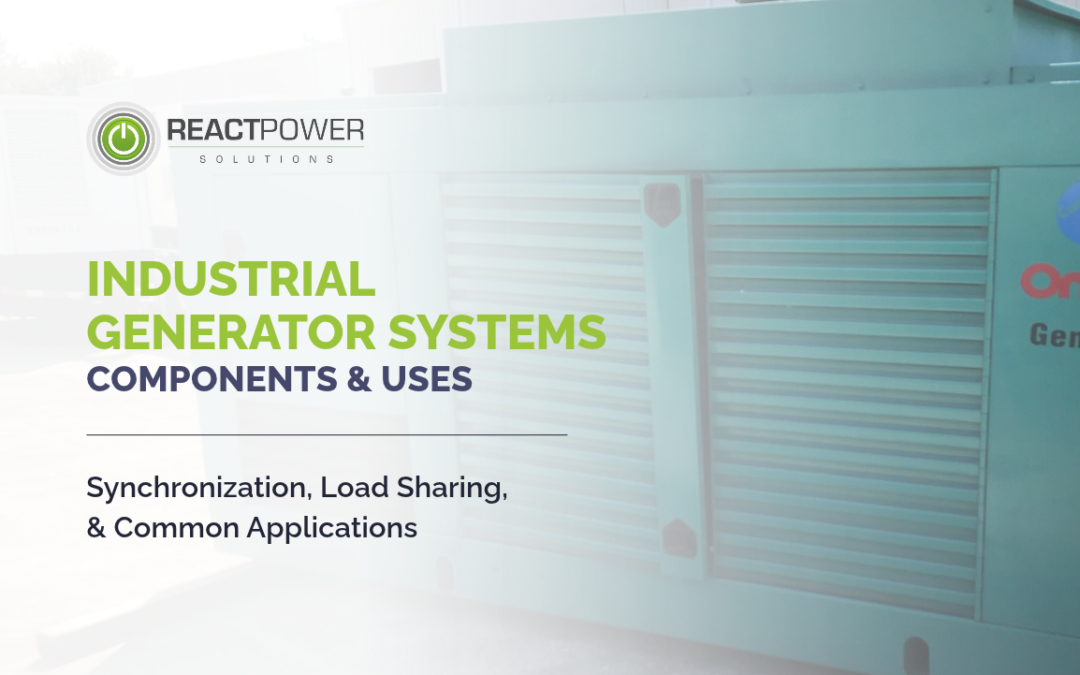
Industrial Generator Systems: Components and Applications
When businesses depend on continuous electrical power, a single generator may not always be enough to meet the facility’s demands. Industrial generator systems can combine multiple generators and supporting components to distribute electrical loads, improve system...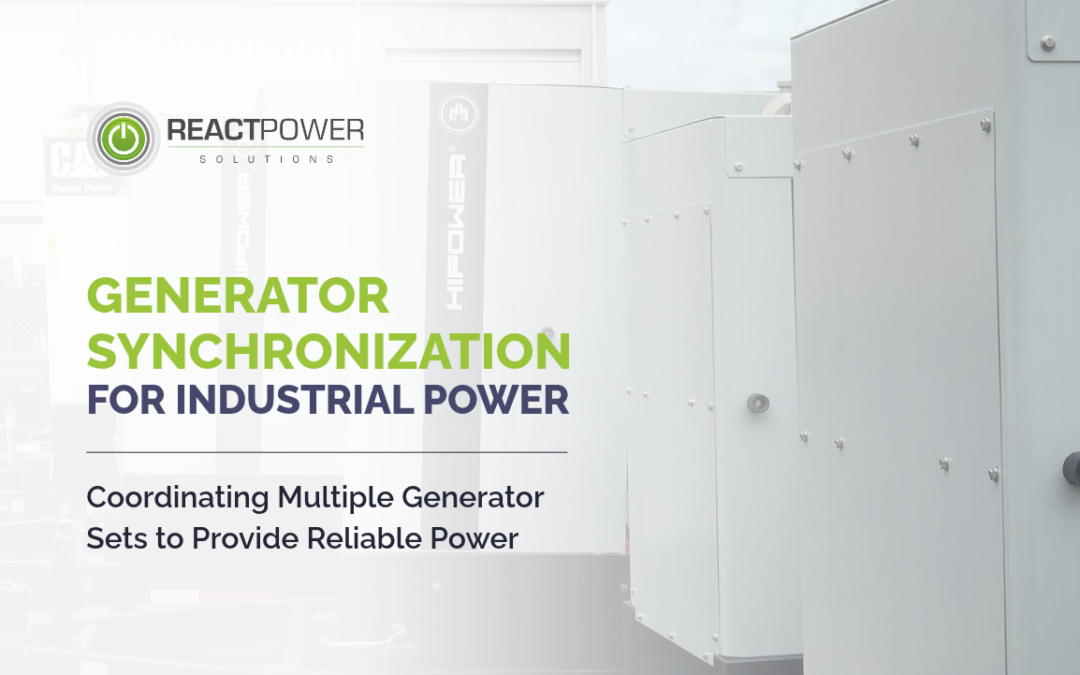
Generator Synchronization: A Guide for Industrial Systems
When industrial facilities depend on continuous electrical power, a single generator may not always provide enough capacity or redundancy. Generator synchronization allows multiple generators to operate together as a coordinated power system, helping facilities meet...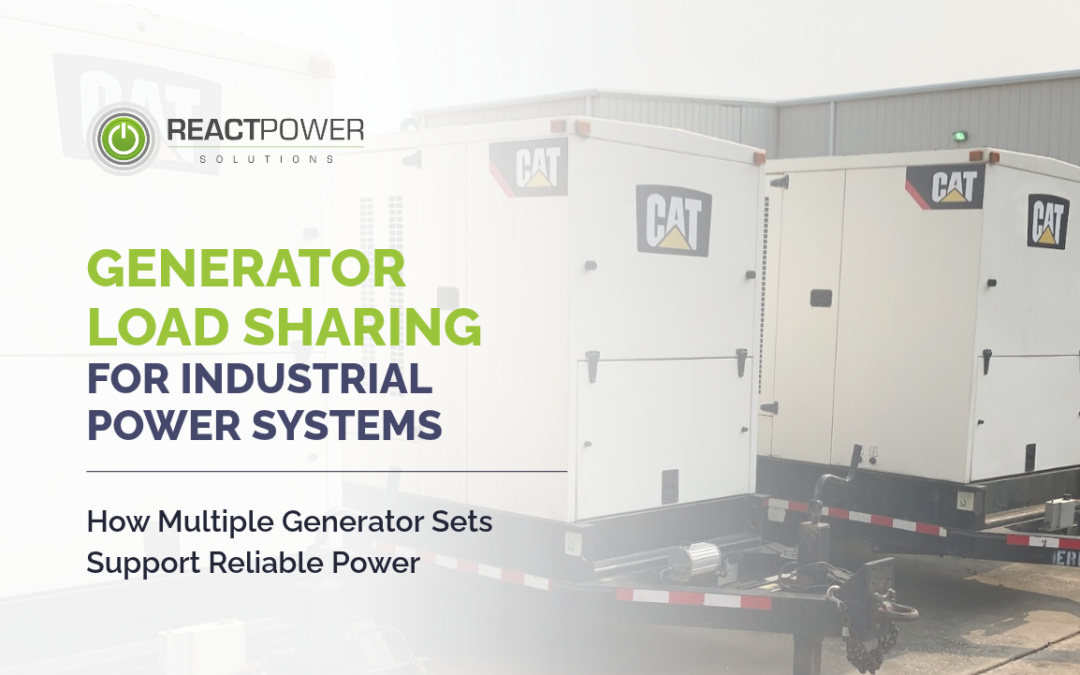
Generator Load Sharing: Benefits and Applications
Industrial facilities often require more power than a single generator can provide efficiently. Generator load sharing allows multiple generator sets to work together by distributing electrical demand across the available units, helping facilities maintain reliable...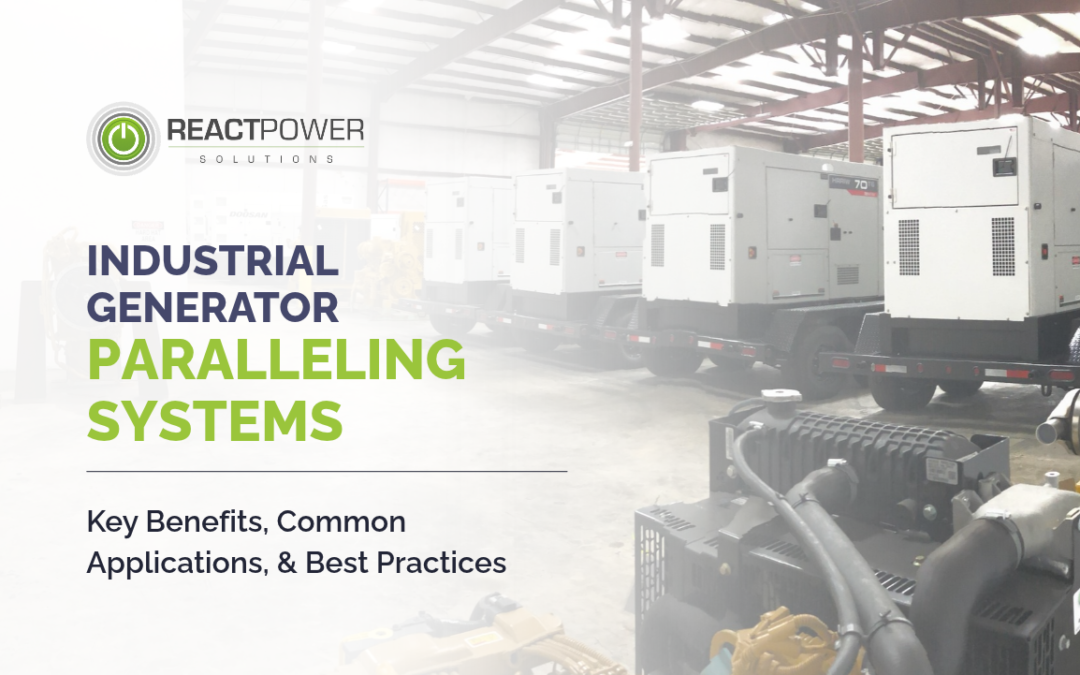
What Are Generator Paralleling Systems?
When reliable power is critical, a single generator may not always be enough to meet a facility’s demands. Generator paralleling systems provide a way to connect multiple generators so they can work together, helping facilities maintain a stable power supply while...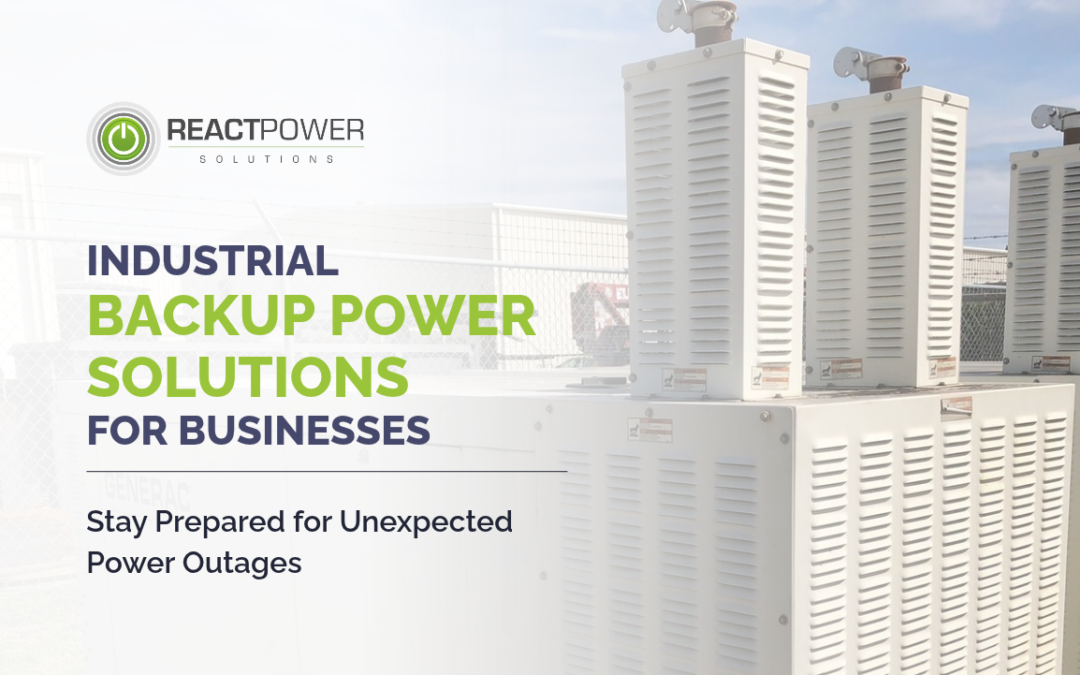
Why Every Business Needs a Plan for Industrial Backup Power Solutions
An unexpected power outage can bring business operations to a sudden stop, disrupting equipment, technology, communications, and critical processes. For industrial facilities and other businesses that depend on continuous power, even a short interruption can lead to...CONTACT US
5123 Hiltonview Rd.
Houston, TX 77086