Selecting generation equipment that matches a facility’s electrical requirements is essential for reliable power delivery. One key factor is frequency, which affects equipment compatibility and performance. While 60 Hz power is standard in the United States, many regions use 50 Hz systems. Understanding these requirements helps businesses choose suitable equipment for their operations, including manufacturing, mining, oil and gas, marine, and construction applications.
Key Takeaways
- 50 Hz generators serve electrical systems that require 50 Hz power
- Industries use different generator types based on their power needs
- Common applications include manufacturing, mining, oil and gas, and marine operations
- Generator frequency must match equipment requirements
- Selection depends on capacity, fuel type, and operating conditions
What Are 50 Hz Generators?
50 Hz generators produce alternating current (AC) electricity at a frequency of 50 cycles per second. Frequency affects how electrical equipment operates, so industrial facilities need generators that match the requirements of their machinery and electrical systems.
The main difference between 50 Hz and 60 Hz power systems is the frequency of the electrical output. Many countries in Europe, Asia, and Africa use 50 Hz power, while the United States and some other countries use 60 Hz. Equipment designed for one frequency may not operate correctly with the other, particularly motors, pumps, and other frequency-sensitive machinery.
When selecting a generator for a new facility, overseas project, or backup-power application, businesses should verify the required frequency, voltage, and phase. Matching these specifications to the facility’s electrical system helps ensure equipment compatibility and dependable power.
Why Do Industrial Facilities Use 50 Hz Generators?
Industrial facilities use 50 Hz generators when their electrical systems, machinery, or regional power standards require 50 Hz electricity. Matching generator frequency to equipment requirements helps support reliable operation, particularly for motors, pumps, compressors, and production machinery.
International projects may also rely on 50 Hz generators when utility power is limited or unavailable. Manufacturing plants, mining sites, oil and gas facilities, and construction projects can use them for primary or backup power. For businesses operating across multiple countries, choosing generators that meet local electrical requirements helps maintain equipment compatibility and dependable power.
What Industries Use 50 Hz Generators?
Several industries rely on 50 Hz generators to supply primary, backup, or temporary power for equipment and facilities. These generators are particularly useful in regions where 50 Hz is the standard electrical frequency and in industrial applications that require compatible power generation equipment. The specific frequency needed depends on the operating location, the facility’s electrical infrastructure, and the machinery being powered.
Manufacturing
Manufacturing facilities use 50 Hz generators to support production equipment, industrial motors, pumps, conveyor systems, and other machinery. These generators can provide backup power during utility interruptions or serve as a primary power source at facilities with limited grid access. Matching the generator frequency to the equipment’s specifications helps maintain compatibility across production operations.
Oil and Gas
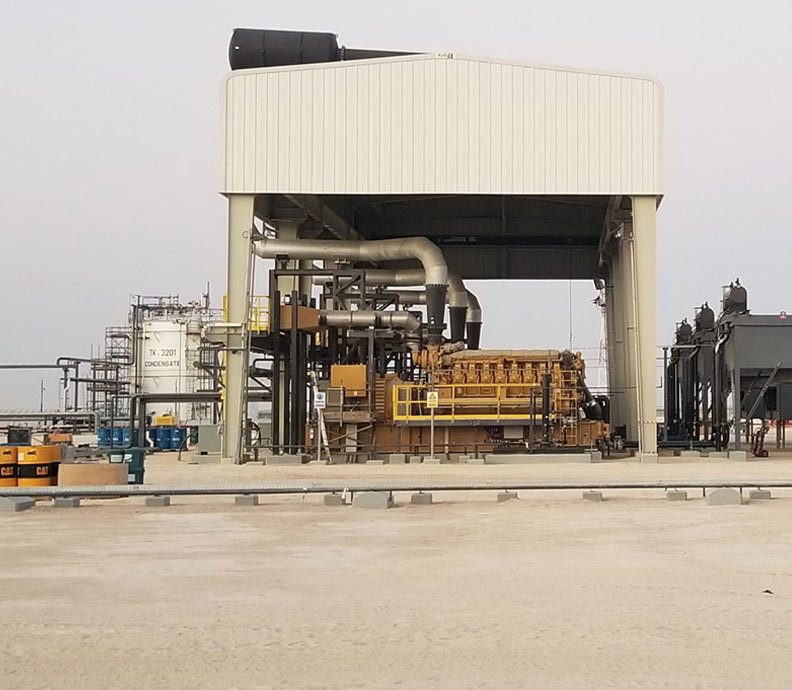
Oil and gas operations may use 50 Hz generators to power pumps, compressors, drilling equipment, processing systems, and other electrical loads. Remote exploration sites and production facilities often require dependable power where utility connections are limited or unavailable. Generator frequency must match the electrical requirements of the equipment and infrastructure at each operating site.
Mining
Mining operations depend on reliable power for equipment such as ventilation systems, dewatering pumps, material-handling systems, and processing machinery. A 50 Hz generator can supply power at remote mining sites or provide backup electricity when utility service is disrupted. Generator capacity and frequency should align with the site’s operating demands and the specifications of its electrical equipment.
Marine and Offshore
Marine vessels and offshore facilities require compatible power generation equipment to support navigation systems, pumps, lighting, communications, and auxiliary machinery. Depending on the vessel’s design or offshore installation, 50 Hz generators may be used to meet onboard or facility-specific electrical requirements. Selecting the correct frequency, voltage, and power capacity is essential for compatibility with marine electrical systems.
Construction and Infrastructure
Construction projects and infrastructure developments may use 50 Hz generators to power tools, lighting, pumps, and other equipment at temporary or remote worksites. They can provide primary power where grid connections are unavailable or backup power when needed. For international projects, selecting a generator that matches local electrical standards and the requirements of connected equipment helps support safe, reliable operation.
What Types of 50 Hz Power Generation Equipment Do Industrial Facilities Use?
Industrial facilities can choose from several types of 50 Hz power generation equipment based on their fuel availability, operating schedules, and power requirements. Some generator categories are defined by the fuel they use, while others describe their intended operating role or system configuration. Understanding these differences helps businesses identify equipment suited to their applications, whether they need continuous power at a remote site or backup electricity for an established facility.
| Equipment Type | Description | Typical Applications |
| Diesel Generators | Use diesel fuel to drive an engine connected to an electrical generator. They are widely used in industrial environments where dependable power and fuel availability are priorities. | Manufacturing plants, mining operations, construction sites, and remote industrial facilities |
| Natural Gas Generators | Use natural gas as their fuel source, provided a suitable supply is available. They may be appropriate for facilities seeking to use existing gas infrastructure for power generation. | Industrial plants, processing facilities, and sites with reliable natural gas access |
| Prime Power Generators | Designed for applications requiring extended operation as a primary power source, including situations where utility power is unavailable or insufficient. Operating limits depend on the generator’s rating and manufacturer specifications. | Remote mining sites, oil and gas operations, and off-grid industrial projects |
| Standby Generators | Provide backup electricity when the primary power source fails. Depending on the system, they may start automatically or require operator intervention. | Manufacturing facilities, industrial buildings, and critical infrastructure |
| Multiple-Generator Systems | Combine two or more generators to meet higher power demands, support load sharing, or provide redundancy when properly configured. | Large industrial facilities, data centers, and operations with substantial or changing electrical loads |
Not every generator model is available in a 50 Hz configuration, and specifications vary by manufacturer. Before selecting equipment, industrial buyers should verify frequency, voltage, phase, rated output, and compatibility with the facility’s electrical system. Fuel availability, expected operating hours, and the need for backup capacity should also inform the decision.
What to Consider When Choosing a 50 Hz Generator
Choosing the right 50 Hz generator requires evaluating your facility’s electrical requirements, operating conditions, and long-term power needs. Selecting equipment that aligns with your application can help maintain reliable operations, protect connected machinery, and support efficient power delivery. Before purchasing a generator, industrial buyers should consider the following factors:
- Electrical specifications: Confirm the required frequency, voltage, and phase to ensure compatibility with your facility’s electrical infrastructure and connected equipment.
- Power demand: Calculate the continuous and peak power requirements, including the starting loads of motors and other equipment, to determine the appropriate generator capacity.
- Fuel availability: Evaluate whether diesel or natural gas best suits your location, fuel supply, storage capabilities, and operating requirements.
- Operating requirements: Determine whether you need a prime power generator for extended operation or a standby generator for backup electricity during utility interruptions.
- Environmental conditions: Consider ambient temperatures, humidity, altitude, dust, and other site conditions that may affect generator performance and equipment requirements.
- Equipment compatibility: Verify that the generator’s output specifications align with existing machinery, electrical systems, and any additional power distribution equipment.
- Availability and support: Consider equipment availability, replacement parts, technical assistance, and service support when evaluating options for your application.
Why Businesses Choose React Power Solutions
At React Power Solutions, we help businesses evaluate dependable power options and generator equipment for a variety of industrial applications. Whether you need equipment for a remote project, an international facility, or backup power at an established operation, choosing the right specifications is an important step toward meeting your power requirements. Contact us to discuss your generator equipment needs and find a solution suited to your application.
50 Hz Generator Questions
What is a 50 Hz generator?
A 50 Hz generator produces alternating current (AC) electricity at a frequency of 50 cycles per second. This frequency is standard in many countries around the world and is an important specification for industrial power generation equipment. The generator’s frequency must match the requirements of the electrical system and connected machinery for proper operation.
Where are 50 Hz generators commonly used?
50 Hz generators are commonly used in Europe, Asia, Africa, and other regions where electrical grids operate at 50 Hz. Industrial applications include manufacturing plants, oil and gas operations, mining sites, marine facilities, and construction projects. They can provide primary, backup, or temporary power, depending on the facility’s requirements and access to utility electricity.
What is the difference between a 50 Hz and 60 Hz generator?
The primary difference is the frequency of the electrical output. A 50 Hz generator produces 50 cycles per second, while a 60 Hz generator produces 60 cycles per second. This difference can affect the operation of motors and other frequency-sensitive equipment, so buyers should verify frequency, voltage, and phase requirements before connecting a generator to an electrical system.
Can a 50 Hz generator power industrial equipment?
Yes, a 50 Hz generator can power industrial equipment when its electrical output matches the requirements of the connected machinery and facility. Compatibility depends on factors such as frequency, voltage, phase, and power capacity. Industrial buyers should verify equipment specifications before selecting a generator to help prevent operational issues and ensure reliable performance.
How do I choose the right 50 Hz generator?
Start by determining your facility’s required frequency, voltage, phase, and total power demand, including the starting requirements of motors and other equipment. Next, evaluate fuel availability, whether you need prime or standby power, and the environmental conditions where the generator will operate. Equipment compatibility, availability, and service support are also important considerations. Working with a knowledgeable generator supplier can help you identify dependable power options suited to your industrial application.
Choosing the Right 50 Hz Generator
50 Hz generators support industrial facilities, remote operations, and international projects that require compatible power generation equipment. From manufacturing and mining to oil and gas and marine applications, selecting the right generator means matching its frequency, voltage, and capacity to the facility’s electrical requirements.
As industrial power experts in Houston, we provide dependable power options and generator equipment for a variety of industrial applications. Our team can help you evaluate available equipment based on your power demands, fuel requirements, and operating conditions to identify a solution suited to your needs.
Contact us to discuss your 50 Hz generator requirements and explore our available power-generation equipment.