When businesses depend on continuous electrical power, a single generator may not always be enough to meet the facility’s demands. Industrial generator systems can combine multiple generators and supporting components to distribute electrical loads, improve system flexibility, and provide reliable power for larger or more complex applications. Understanding how these systems work together can help businesses evaluate the right configuration for their power requirements.
Key Takeaways
- Multiple generators can meet larger electrical loads
- Synchronization allows generators to operate together
- Load sharing distributes demand across generators
- Controls and switchgear manage system operation
- Proper sizing, testing, and maintenance support reliable performance
How Do Industrial Generator Systems Work Together?
Industrial generator systems allow multiple generator sets to operate as a coordinated power source rather than as independent units. Paralleling equipment, synchronization controls, and electrical connections work together to bring generators online, coordinate their operation, and distribute electrical power to connected loads. Using multiple generators can also give businesses greater flexibility by providing scalable capacity, redundancy, and maintenance options while allowing available generation to adjust to changing electrical demand. Several features allow multiple generator sets to work together effectively:
- Paralleling equipment: Connects multiple generator sets to a common electrical bus so they can operate as a coordinated system
- Synchronization controls: Align voltage, frequency, and phase before a generator is connected to the electrical bus
- Control systems: Monitor generator conditions and coordinate functions such as starting, stopping, and load distribution
- Electrical connections: Transfer generated power from individual generator sets to the common bus and facility distribution system
- Scalability: Allows businesses to add or remove generator capacity as electrical demand changes
- Redundancy: Provides additional generation capacity that can help maintain power if one generator is unavailable
- Maintenance flexibility: Allows individual generator sets to be serviced while other units remain available to support the electrical load
What Components Make Up an Industrial Generator System?
An industrial generator system consists of multiple components that work together to generate, control, distribute, and monitor electrical power. Generator sets provide the power, while equipment such as paralleling switchgear, automatic transfer switches, control systems, and distribution equipment helps coordinate and deliver that power where it is needed. Proper compatibility and configuration are essential because each component must work together as part of a coordinated system to support reliable and efficient operation.
| Component | Description | Role in the Industrial Generator System |
| Generator Sets | Engine-driven units that convert mechanical energy into electrical power | Provide the system’s primary power-generation capacity and can be configured to operate individually or in parallel |
| Paralleling Switchgear | Electrical equipment that connects multiple generators to a common bus and coordinates their operation | Allows generators to operate together, synchronize, and share electrical loads |
| Automatic Transfer Switches | Devices that automatically transfer electrical loads between utility power and generator power | Help maintain power to connected loads when the primary utility source becomes unavailable |
| Control Systems | Electronic systems that monitor and manage generator operation | Coordinate functions such as starting, stopping, synchronization, load sharing, and system protection |
| Distribution Equipment | Equipment used to route generated electricity to facility loads | Delivers electrical power from the generator system to the equipment and systems that require it |
| Monitoring Components | Devices and systems that track electrical and operating conditions | Provide information about generator performance, system status, alarms, and potential operating issues |
How Does Load Sharing Work Between Generators?
Load sharing allows multiple generator sets to divide a facility’s electrical demand so that individual units operate as part of a coordinated system. Load-sharing controls monitor the system and help distribute active power, which is the power used to perform useful work, among the connected generators. Reactive power, which supports voltage regulation and the operation of inductive loads, can also be coordinated between generators to help maintain stable system operation.
As electrical demand changes, load-sharing controls can adjust the contribution of individual generator sets to match the facility’s requirements. This can help prevent one generator from carrying more of the load than necessary while other available units have unused capacity. By coordinating generator output, an industrial generator system can respond to changing loads while using available generation capacity more effectively.
How Does Generator Synchronization Support System Operation?
Generator synchronization coordinates multiple generators so they can safely connect to and operate on the same electrical bus. Before a generator is brought online, its voltage, frequency, and phase must be aligned with the existing electrical supply to prevent instability or equipment damage. Synchronization controls continuously monitor these conditions and help coordinate generators as additional capacity is brought online or removed from service.
| Synchronization Factor | What It Means | Role in System Operation |
| Voltage | The electrical potential produced by a generator | Helps ensure the incoming generator’s voltage is appropriately matched with the electrical bus before connection |
| Frequency | The rate at which the generator’s alternating current cycles, measured in hertz (Hz) | Must be aligned with the system frequency so generators can operate together consistently |
| Phase | The position of the generator’s AC waveform relative to the electrical bus | Must be properly aligned before the generator is connected to help prevent electrical disturbances |
| Synchronization Controls | Controls that monitor and coordinate generator operating conditions | Help determine when a generator is ready to connect and support coordinated operation |
| Paralleling Equipment | Electrical equipment that connects generators to a common bus | Allows multiple generators to operate together and contribute to the facility’s electrical demand |
| Generator Capacity | The available electrical output from connected generator sets | Allows additional generators to be brought online when electrical demand increases or more capacity is required |
Where Are Industrial Generator Systems Used?
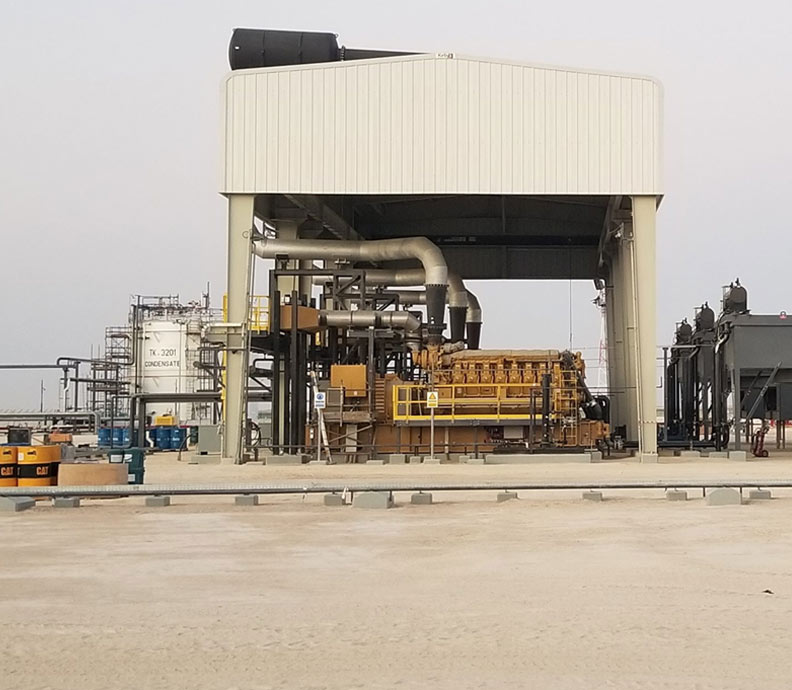
Industrial generator systems can be used in facilities where reliable electrical power is essential or where electrical demands are too substantial for a single generator to efficiently support. Manufacturing facilities, data centers, healthcare facilities, commercial buildings, industrial sites, and other critical operations may use multiple-generator configurations to provide standby or prime power. These systems can be particularly useful when a facility requires substantial generating capacity, redundancy, or the ability to maintain power during changing operating conditions.
The appropriate system configuration depends on factors such as facility size, electrical load characteristics, redundancy requirements, operating environment, and the potential consequences of a power interruption. A data center, for example, may prioritize redundancy and continuous availability, while a manufacturing facility may need generation capacity that can accommodate changing production loads. Evaluating these requirements helps determine the number, capacity, and configuration of generator sets needed to support the facility’s electrical demands.
Industrial Generator Systems FAQ
Can multiple industrial generators provide power at the same time?
Yes. Multiple generators can be configured to operate in parallel when the system includes the appropriate synchronization, controls, and paralleling equipment. This allows the generators to work together to supply a shared electrical load.
What is generator paralleling?
Generator paralleling is the process of connecting multiple generator sets to a common electrical bus so they can operate together. Paralleling equipment coordinates the generators and helps manage how they contribute to the facility’s electrical demand.
Why would a business use multiple generators instead of one large generator?
Multiple generators can provide flexibility by allowing generation capacity to be added or removed based on demand. A multi-generator system can also provide redundancy and make it possible to keep some generation capacity available while another unit is being serviced.
Do industrial generators automatically synchronize?
Generators designed for parallel operation can use automatic synchronization controls to coordinate voltage, frequency, and phase before connecting to a common bus. The specific capabilities depend on the generator controls and overall system configuration.
How often should industrial generator systems be tested?
Testing schedules depend on the equipment, application, operating environment, and applicable requirements. Regular inspections and operational testing can help identify issues with generators, controls, switchgear, and other system components before they affect power availability.
Coordinating Industrial Generator Systems for Reliable Power
Industrial generator systems allow multiple generator sets and supporting components to work together to provide power for facilities with demanding or critical electrical requirements. Synchronization, load sharing, paralleling equipment, and system controls help coordinate generator operation while providing flexibility for changing loads and system needs.
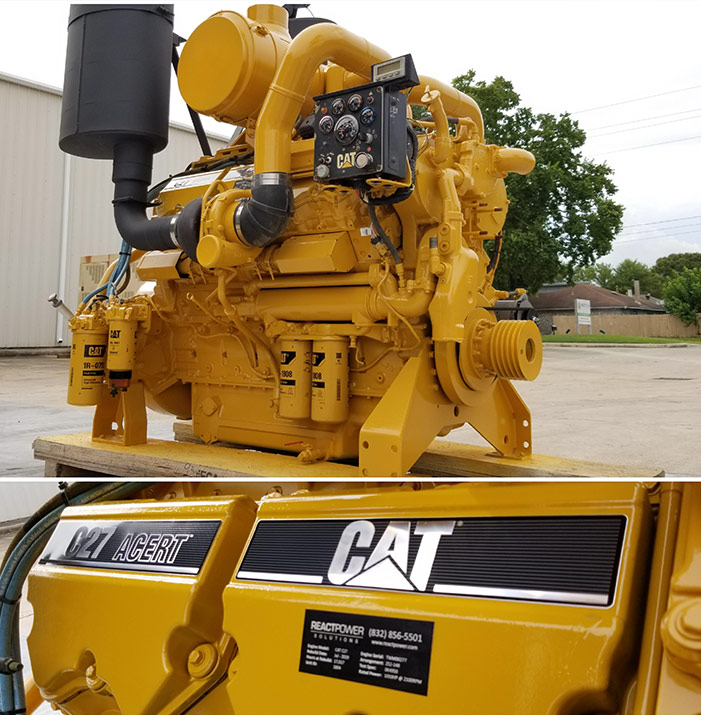
As an experienced power equipment provider, React Power Solutions offers a large selection of new and used diesel and natural gas generators from leading manufacturers. Our team provides equipment sourcing, inspections, testing, repairs, and rebuild services to help businesses find power equipment suited to their specific requirements.
Are you evaluating an industrial generator system for your facility? Contact us today to discuss your power requirements and explore generator equipment and solutions for your application.