Industrial facilities rely on dependable power generation equipment to support manufacturing, processing, commercial, and other demanding operations. While the engine provides the mechanical power, the generator end converts that mechanical energy into electrical power that can be used by connected equipment and systems. Understanding how generator ends work, the types available, and their role in a complete generator set can help businesses make informed decisions when sourcing power equipment.
Key Takeaways
- Generator ends convert mechanical energy from an engine into electrical power
- Alternators are a critical component of complete industrial generator sets
- Generator ends are available in different configurations for various applications
- Proper sizing and compatibility are important when selecting a generator end
- Inspection, testing, repair, and maintenance can help support reliable performance
What Is a Generator End and How Does It Work?
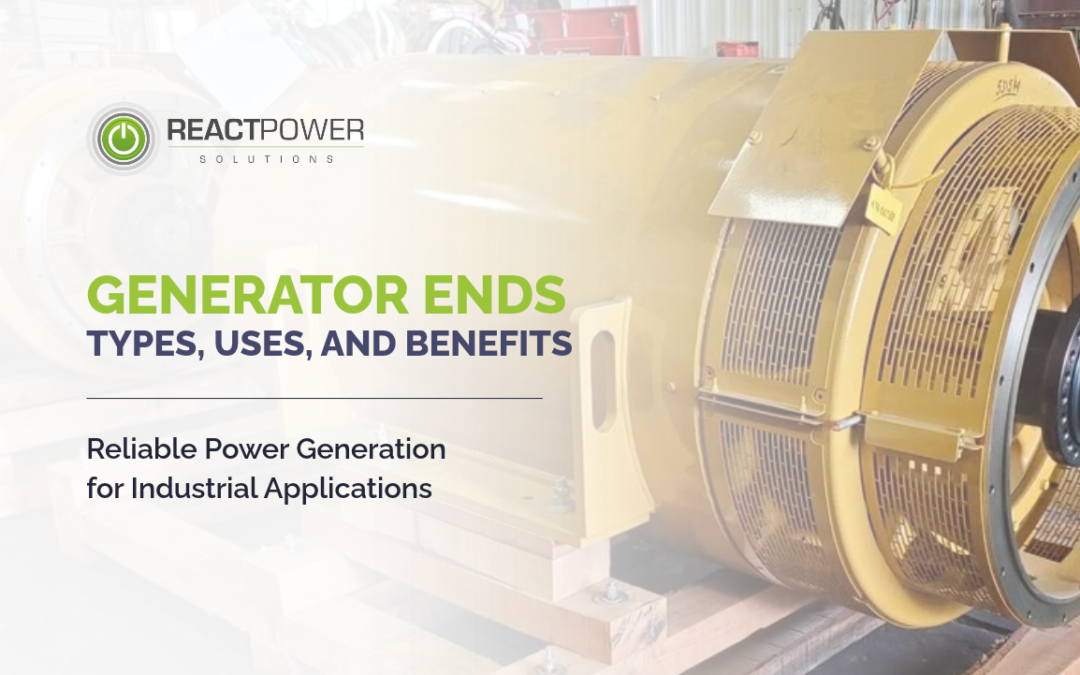
A generator end is the portion of an engine-driven generator set that converts mechanical energy from the engine into electrical power. Also called an alternator, the generator end uses electromagnetic induction to produce electricity as the engine turns the rotor inside the stator. This process allows the generator set to supply electrical power to connected equipment and systems when standby or prime power is needed.
Several components work together to produce and regulate electrical output. The rotor is the rotating component that creates a magnetic field, while the stator surrounds the rotor and contains the conductors where electrical current is generated. Windings carry the electrical current, and the excitation system helps establish and control the magnetic field needed for power generation. Together, these components allow the generator end to convert the engine’s mechanical energy into usable electrical power.
What Types of Generator Ends Are Available?
Generator ends are available in different designs and configurations to meet the electrical requirements of various industrial power-generation applications. Common differences include synchronous and asynchronous designs, as well as variations in voltage, frequency, phase configuration, and electrical output. The appropriate generator end depends on the requirements of the complete generator system, including the engine, connected loads, operating conditions, and intended application.
| Generator End Type or Characteristic | Description | Common Applications or Considerations |
| Synchronous Generator Ends | Operate at a speed synchronized with the frequency of the electrical output and can provide consistent voltage and frequency. | Common in industrial, standby, prime-power, and larger commercial applications where stable electrical output is important. |
| Asynchronous Generator Ends | Also known as induction generators, these operate with a difference between rotor speed and the synchronous speed of the electrical system. | Used in specific power-generation applications where their operating characteristics are appropriate for the system. |
| Single-Phase | Produces electrical power through a single alternating current phase. | Generally suited to smaller or specialized electrical loads rather than large industrial power requirements. |
| Three-Phase | Produces electrical power through three alternating current phases, providing efficient power delivery for larger loads. | Widely used for industrial equipment, commercial facilities, manufacturing operations, and other high-demand applications. |
| Voltage Rating | Defines the electrical potential produced by the generator end and must be compatible with the connected electrical system. | Selected based on the facility’s electrical infrastructure and the voltage requirements of connected equipment. |
| Frequency Rating | Measured in hertz (Hz), frequency indicates how quickly the alternating current cycles. | Common configurations include 50 Hz and 60 Hz, depending on the intended electrical system and geographic market. |
| Output Capacity | Refers to the amount of electrical power the generator end can produce, typically specified in kW or kVA. | Must be appropriately sized to meet the facility’s electrical load without exceeding the generator end’s operating limits. |
What Applications Use Generator Ends?
Generator ends are used as part of power-generation equipment in a wide range of facilities and applications that require dependable electrical power. Manufacturing facilities, construction sites, commercial properties, industrial operations, data centers, and other critical facilities may rely on generator sets equipped with generator ends for standby or prime power. These systems can help provide electricity when utility power is unavailable or when a facility operates in locations where grid power is limited.
Generator-end specifications can vary depending on the electrical load, operating environment, required runtime, and purpose of the generator set. A facility with high electrical demands may require a generator end with greater output capacity, while applications operating in demanding environments may require equipment designed for specific conditions. Evaluating the application and operating requirements helps businesses select a generator end that is properly matched to the complete power-generation system.
How Do You Choose the Right Generator End?
Selecting the right generator end requires evaluating the electrical and mechanical requirements of the complete generator set. Businesses should consider factors such as electrical output, voltage, frequency, phase, engine compatibility, operating conditions, and the intended application before choosing equipment. Because the generator end works directly with the engine and other system components, proper compatibility is essential for reliable performance and efficient power generation.
| Selection Factor | What to Consider | Why It Matters |
| Electrical Output | Determine the amount of power the generator end needs to produce based on the facility’s electrical load. | Helps ensure the generator end can handle the required demand without being undersized or unnecessarily oversized. |
| Voltage | Identify the voltage requirements of the facility and connected equipment. | The generator end must produce voltage that is compatible with the electrical system it will supply. |
| Frequency | Determine whether the application requires 50 Hz, 60 Hz, or another frequency. | Matching the frequency helps ensure connected equipment can operate as intended. |
| Phase Configuration | Evaluate whether the application requires single-phase or three-phase power. | The phase configuration must match the requirements of the connected electrical loads and distribution system. |
| Engine Compatibility | Confirm that the generator end is compatible with the engine’s mechanical output, speed, mounting configuration, and other specifications. | Proper compatibility allows the engine and generator end to work together as an integrated generator set. |
| Operating Conditions | Consider factors such as ambient temperature, altitude, humidity, dust, and other environmental conditions. | Operating conditions can affect generator performance and may influence the appropriate equipment configuration. |
| Intended Application | Consider whether the generator will provide standby, prime, or other types of power and how frequently it will operate. | Application requirements help determine the appropriate generator-end capacity, configuration, and specifications. |
| Complete System Compatibility | Evaluate the generator end alongside the engine, controls, cooling system, and other generator-set components. | Ensures the individual components are properly matched rather than selecting a generator end based on electrical specifications alone. |
How Can Generator Ends Be Maintained and Serviced?
Regular inspection, testing, and maintenance can help identify potential problems with a generator end before they affect power-generation performance. Components such as windings, bearings, insulation, electrical connections, and cooling systems should be evaluated for signs of wear, damage, overheating, or deterioration. Professional inspection and repair services can help determine the condition of the equipment, identify the cause of problems, and determine whether a generator end can be repaired and returned to service. When evaluating a generator end, technicians may focus on several key areas:
- Windings: Inspect for damage, overheating, contamination, or deterioration that could affect electrical performance
- Bearings: Check for excessive wear, vibration, noise, or lubrication issues that may affect rotor operation
- Insulation: Evaluate insulation for signs of deterioration or electrical breakdown
- Electrical connections: Inspect connections for looseness, corrosion, or damage that could interfere with reliable power generation
- Cooling systems: Check cooling components to help prevent excessive temperatures during operation
- Physical condition: Look for signs of damage, contamination, or other conditions that could affect the generator end
- Electrical testing: Perform appropriate testing to evaluate the generator end’s electrical condition and identify potential faults
- Professional repairs: Determine whether damaged or worn components can be repaired or whether the generator end should be replaced
Generator Ends FAQ
Is a generator end the same as an alternator?
The terms are often used interchangeably in the context of engine-driven generator sets. The generator end, or alternator, is the portion of the system that converts mechanical energy from the engine into electrical energy.
What does a generator end do on a diesel generator?
A generator end converts the mechanical energy produced by the diesel engine into electrical power. The engine and generator end work together as part of the complete generator set to produce electricity for connected loads.
Can a generator end be replaced separately from the engine?
In many cases, a generator end can be replaced or serviced separately from the engine. Compatibility between the replacement generator end, engine, controls, and other generator-set components must be evaluated before replacement.
What causes a generator end to fail?
Generator-end problems can result from factors such as excessive heat, insulation deterioration, bearing wear, electrical faults, contamination, improper maintenance, or operating conditions that exceed equipment specifications. Professional testing can help determine the cause of a failure.
Can a used generator end be inspected before purchase?
Yes. A used generator end can be evaluated through visual inspection, electrical testing, and other appropriate diagnostic procedures. Inspection and testing can help determine the condition of the equipment before it is put into service.
Choosing the Right Generator End for Industrial Power
Generator ends play a critical role in industrial power-generation equipment by converting mechanical energy from an engine into usable electrical power. Selecting the right generator end requires considering factors such as electrical output, voltage, frequency, application requirements, engine compatibility, and equipment condition. Proper inspection, testing, maintenance, and servicing can also help support dependable generator performance.
As an experienced power equipment provider, React Power Solutions offers a large selection of new and used diesel and natural gas generators from leading manufacturers. Our team provides equipment sourcing, inspections, testing, repairs, and rebuild services to help businesses find power equipment suited to their specific requirements.
Are you looking for generator ends or other power-generation equipment? Contact us today to discuss your requirements and explore equipment options for your application.