Industrial facilities depend on reliable power to keep production lines, processing equipment, and essential systems operating. Depending on their power requirements and available fuel sources, businesses may use diesel generators, natural gas generator sets, or other power-generation equipment to support their operations.
Industrial gas engines offer another option, converting gaseous fuels into mechanical energy that can drive electrical generators or other industrial equipment. Understanding how these engines work, where they are used, and what advantages they offer can help businesses evaluate power-generation solutions for their applications.
Key Takeaways
- Industrial gas engines convert gaseous fuels into mechanical energy
- Common fuels include natural gas and biogas
- Gas engines support manufacturing, commercial, and industrial operations
- Fuel availability, emissions, and operating needs affect engine selection
- Choosing the right equipment depends on power needs, efficiency, and reliability
What Are Industrial Gas Engines?
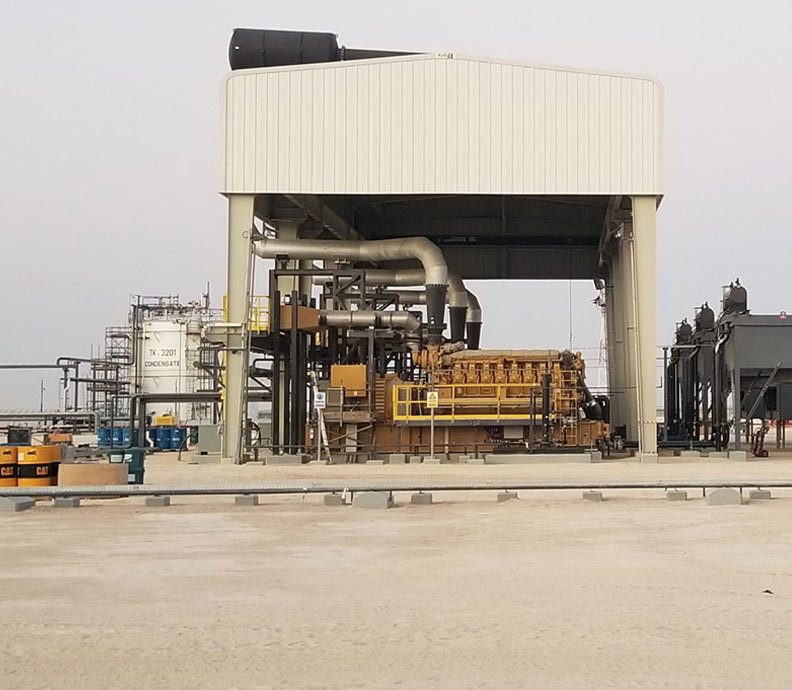
Industrial gas engines use natural gas to produce mechanical energy for power generation and industrial equipment. They support applications that require dependable power, including irrigation, gas compression, and other industrial operations. These engines can drive equipment directly or power an alternator to generate electricity.
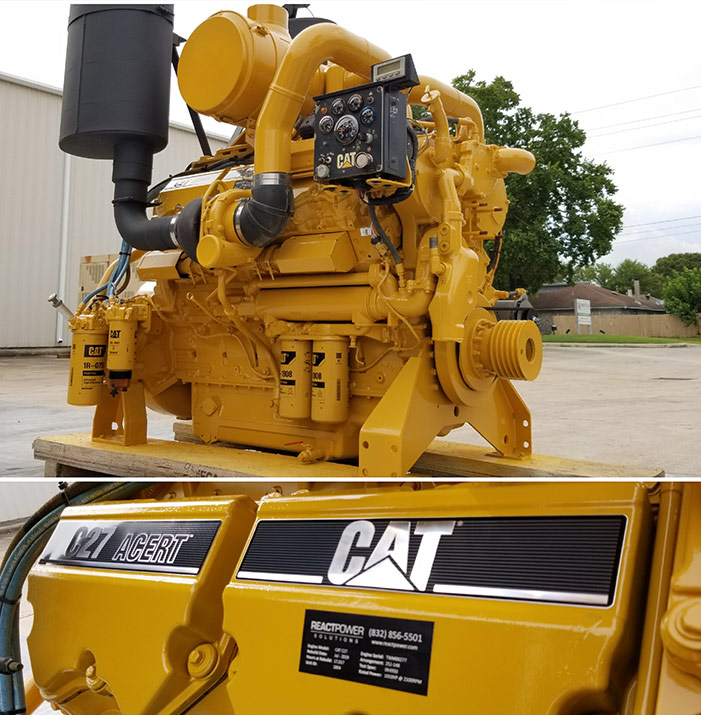
Natural gas engines burn fuel inside their cylinders to generate mechanical energy. When used in a generator set, the engine works alongside an alternator and supporting systems to produce electricity. Selecting the right engine depends on factors such as horsepower requirements, fuel specifications, operating conditions, and the intended application. Selecting the right engine depends on factors such as horsepower requirements, fuel specifications, operating conditions, and the intended application.
Industrial Gas Engines vs. Diesel Engines
Natural gas and diesel engines each offer advantages depending on the application. Natural gas engines can offer lower operating costs and longer service life under suitable conditions, particularly when a reliable natural gas supply is available. Diesel engines may be a practical choice for facilities that need on-site liquid fuel storage or operate where natural gas infrastructure is limited. Fuel costs, maintenance requirements, emissions, and expected operating hours all influence the overall cost and suitability of each option. Businesses should evaluate these factors alongside their power requirements when choosing equipment.
What Industries Use Industrial Gas Engines?
Industrial gas engines support a range of industries that require dependable mechanical power or electricity. Their applications depend on fuel availability, power requirements, and operating conditions, making them suitable for various industrial and commercial environments.
Manufacturing and Industrial Processing
Manufacturing facilities can use industrial gas engines to generate electricity for production equipment, processing systems, and other essential operations. They may also support on-site power generation and combined heat and power (CHP) systems, which capture usable heat produced during electricity generation.
Oil and Gas Operations
Oil and gas operations use natural gas engines to power equipment for applications such as gas compression and other field operations. Access to a suitable natural gas supply can make these engines a practical option, although fuel quality, operating conditions, and equipment specifications must be considered when selecting an engine.
Commercial Facilities and Critical Infrastructure
Large commercial buildings, industrial campuses, and facilities with significant electricity demands may use natural gas generator sets for on-site power generation or backup power. Depending on their configuration, these systems can provide continuous or prime power, supplement utility electricity, or supply standby power during outages.
Waste-to-Energy and Renewable Gas Projects
Wastewater treatment plants and organic waste facilities can use compatible gas engines to convert treated biogas into electricity. When configured for combined heat and power, these systems can also capture useful thermal energy. Proper gas treatment and engine compatibility are essential for reliable operation, as biogas composition and quality can vary.
What Are the Advantages of Industrial Gas Engines?
Industrial gas engines offer several potential benefits for facilities that need reliable power or mechanical energy. Their advantages include fuel flexibility, opportunities for efficient power generation, and the ability to generate electricity on-site. The overall benefits depend on the engine design, fuel supply, operating conditions, and facility requirements. Key advantages include:
- Fuel availability: Natural gas engines can be a practical option for facilities with an established natural gas supply, reducing the need to store liquid fuel on-site.
- Efficient power generation: Engine efficiency varies by model and load, while combined heat and power (CHP) systems can capture waste heat for additional uses.
- Emissions considerations: Natural gas engines generally produce less particulate matter than comparable diesel engines, although nitrogen oxides, carbon monoxide, and methane emissions may still require controls.
- On-site power generation: Gas engines can generate electricity near the point of use, helping facilities meet power demands or supplement utility service.
- Potential operating cost savings: Fuel prices, maintenance expenses, equipment costs, and operating hours all influence whether a natural gas engine is more economical than alternative power-generation equipment.
Natural gas is a fossil fuel, so its environmental impact depends on factors such as fuel production, methane leakage, and engine performance. Businesses should evaluate these considerations alongside operational requirements when determining whether an industrial gas engine is the right fit.
What Should Businesses Consider When Selecting Industrial Gas Engines?
Selecting an industrial gas engine requires evaluating the facility’s power requirements, fuel supply, installation conditions, and long-term operating costs. Considering these factors before purchasing equipment can help businesses choose an engine that meets their operational needs and supports reliable performance. Key factors to evaluate include:
- Power output and operating profile: Determine the required horsepower or electrical output and whether the engine will run continuously, during peak demand, or during power outages. Account for load variations, startup requirements, and potential parallel operation.
- Fuel availability and infrastructure: Confirm that natural gas is available at the required pressure and flow rate. Evaluate pipeline access, fuel supply reliability, and any infrastructure upgrades needed to support the engine.
- Installation and maintenance: Assess site requirements for ventilation, cooling, noise control, and exhaust systems. Review manufacturer maintenance schedules and the availability of qualified service technicians.
- Emissions compliance: Identify applicable emissions regulations, permitting requirements, and any necessary exhaust treatment or monitoring systems before installation.
- Total cost of ownership: Compare equipment and installation costs with projected fuel consumption, maintenance expenses, and expected operating hours. Consider fuel-price changes, replacement parts, equipment availability, and service support when estimating long-term costs.
How Industrial Gas Engines Fit Into a Complete Power Generation System
Industrial gas engines are one component of a complete power-generation system, working alongside alternators, controls, and other equipment to deliver electricity or mechanical power. Understanding how these components work together helps businesses compare power-generation options and select equipment that meets their operational requirements. Fuel availability, power output, operating conditions, and installation requirements all influence which system is most suitable.
| Component or consideration | Role in the power generation system |
| Gas engines and generator sets | A natural gas engine converts fuel energy into mechanical power, which drives an alternator to generate electricity. Controls, cooling systems, fuel systems, and protective equipment support safe and reliable operation. |
| Gas engines vs. other power-generation equipment | Natural gas and diesel generator sets offer different advantages depending on fuel availability, operating costs, emissions requirements, and duty cycle. Generator frequency is another important consideration when matching equipment to electrical requirements. Learn more about 50 Hz generators and the industries that use them. |
| Equipment specifications and compatibility | Engine horsepower, generator output, fuel requirements, and operating conditions must align with the facility’s needs. Correctly matching these specifications helps ensure the system can perform as intended. |
| Supplier expertise and equipment sourcing | An experienced supplier can help businesses evaluate equipment specifications, fuel compatibility, available configurations, and inventory options to identify suitable power-generation equipment for industrial and commercial applications. |
Industrial Gas Engines FAQ
How long do industrial gas engines typically last?
Industrial gas engine lifespan depends on the engine model, operating hours, load conditions, and maintenance practices. Engines used for continuous operation may accumulate substantial operating hours, making routine inspections and scheduled maintenance especially important. Following manufacturer recommendations can help extend service life and identify potential issues before they cause significant downtime.
Can industrial gas engines operate continuously?
Yes, some industrial gas engines are designed for continuous operation, provided they are properly configured and maintained. Their suitability depends on the manufacturer’s duty-cycle rating, operating conditions, cooling capacity, and maintenance requirements. Businesses should verify that an engine is rated for its intended workload before selecting equipment.
What maintenance do industrial gas engines require?
Maintenance requirements vary by engine model and application but commonly include oil and filter changes, spark plug inspections, cooling system checks, and monitoring of ignition and fuel systems. Operators may also need to inspect valves and other components according to the manufacturer’s service schedule. Maintenance intervals depend on operating hours, fuel quality, and environmental conditions.
What is the difference between horsepower and kilowatts in power generation?
Horsepower measures mechanical power, while kilowatts measure electrical power or power output in other applications. Although these units can be converted mathematically, an engine’s horsepower rating does not directly equal a generator set’s electrical output because conversion losses and other operating factors affect performance. Buyers should review both engine and generator ratings when determining whether equipment meets their requirements.
Can industrial gas engines be used in remote locations?
Yes, industrial gas engines can support remote operations when a suitable and reliable natural gas supply is available. Applications may include oil and gas fields, irrigation systems, and other industrial sites located away from established infrastructure. Before installation, businesses should evaluate fuel delivery, site accessibility, environmental conditions, maintenance access, and the availability of technical support.
Choosing Industrial Gas Engines for Your Application
Industrial gas engines provide mechanical power and electricity for a variety of applications, including manufacturing, gas compression, and commercial operations. Choosing the right engine requires evaluating fuel availability, horsepower requirements, operating conditions, maintenance needs, and emissions standards to ensure the equipment meets the facility’s demands.
As power equipment specialists in Houston, we help businesses identify equipment that matches their engine specifications, power requirements, and operating conditions. Our range of equipment options supports a variety of industrial and commercial applications, with solutions tailored to each project’s needs.
Whether you need an engine for an existing operation or a new installation, we can help you explore available options. Contact us to discuss your equipment requirements and find a suitable power-generation solution for your application.