Microgrid systems offer businesses and industrial facilities another way to manage their power needs, improve energy resilience, and maintain operations during utility outages. By combining on-site generators, energy storage, and other power sources with intelligent controls, these systems can provide electricity tailored to a facility’s requirements. Understanding how microgrids work, which components they use, and where they offer the most value can help organizations evaluate their power generation options. For facilities that depend on consistent electricity, exploring microgrid systems is an important step toward building a more reliable power strategy.
Key Takeaways
- Microgrids can operate independently or connect to the main utility grid
- They can combine generators, renewable energy, and other power sources
- Energy storage and control systems help balance electricity supply and demand
- Microgrids can improve energy resilience and support sustainability goals
- System design and facility requirements determine costs, performance, and potential benefits
Understanding Microgrids: What They Are and How They Work
Microgrids are localized power systems that can operate independently or connect to the main utility grid. They provide a flexible way to generate and distribute electricity, including in remote locations or during utility outages.
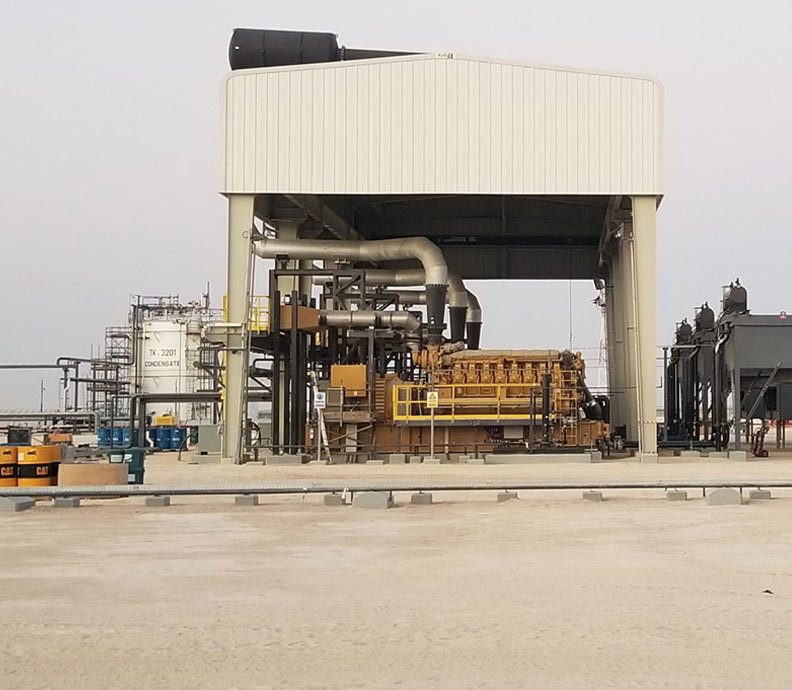
These systems use microgrid control systems to balance electricity supply and demand. They can combine multiple energy sources, such as solar panels, diesel generators, and energy storage, to help maintain a reliable power supply.
Microgrids are also adaptable. As a facility’s energy needs change, operators can integrate additional power sources and technologies to support those demands. This flexibility makes microgrids useful for a range of applications, from commercial facilities to industrial operations.
By incorporating energy management technology, microgrids can also improve how electricity is monitored and distributed. They are an important part of modern power infrastructure, helping facilities manage energy resources and improve resilience.
Key Components of Microgrid Systems
Microgrid systems combine several components to generate, manage, store, and distribute electricity. Each component serves a specific purpose, from supplying power to balancing energy demand and monitoring system performance. Together, these technologies help microgrids provide reliable electricity for commercial, industrial, and other applications.
| Component | Description |
| Power Generation Equipment | Supplies electricity through sources such as diesel generators, natural gas generators, solar panels, and wind turbines. The combination depends on the facility’s power requirements and available resources. |
| Energy Storage Systems | Store excess electricity for later use, helping balance supply and demand when generation fluctuates or energy needs increase. |
| Microgrid Control Systems | Monitor and coordinate power generation, storage, and distribution. These controls help balance electricity supply and demand and manage how the microgrid operates. |
| Distribution Network | Carries electricity from generation and storage equipment to connected buildings, machinery, and other electrical loads. |
| Communication and Monitoring Systems | Collect and exchange operational data, allowing operators to monitor performance, identify issues, and respond to changing power requirements. |
The Role of Renewable Energy Resources in Microgrids
Renewable energy sources, such as solar panels and wind turbines, can play an important role in microgrid systems. By generating electricity from renewable resources, microgrids can reduce reliance on fossil fuels and lower greenhouse gas emissions, depending on the system’s overall energy mix.
Integrating renewable energy also helps businesses and communities make better use of locally available resources. When designed to meet specific energy needs, microgrids can combine renewable generation with conventional power sources to support reliable electricity supply.
Energy storage systems further improve this setup by storing excess electricity for use when solar or wind generation decreases. This combination helps balance energy supply and demand while making renewable energy a more practical part of a microgrid.
For businesses and industrial facilities, renewable-powered microgrids can support broader sustainability goals while providing greater flexibility in how electricity is generated and managed.
Benefits of Implementing Microgrid Systems
Microgrid systems offer several advantages for businesses, industrial facilities, and communities that need reliable power. By combining local generation with energy management technology, these systems can improve energy resilience and give operators more control over how electricity is produced and used. Key benefits include:
- Improved energy resilience: Microgrids can operate independently of the main utility grid during outages when properly designed and equipped, helping maintain power to essential equipment and operations.
- Greater energy independence: Local power generation gives facilities more control over their electricity supply and reduces their reliance on the utility grid.
- Potential cost savings: Microgrids can help manage electricity expenses by optimizing energy use and coordinating available power sources, depending on system design and local utility rates.
- Reduced environmental impact: Incorporating renewable energy sources can reduce reliance on fossil fuels and lower emissions, depending on the system’s energy mix.
- Flexible energy management: Microgrids can be tailored to a facility’s specific power demands, allowing operators to select suitable generation equipment, storage solutions, and control technologies.
How Microgrids Enhance Energy Resilience and Reliability
Microgrids can improve energy resilience by helping facilities maintain power during utility outages. When designed to operate independently, they can disconnect from the main grid and continue supplying electricity to connected equipment and essential operations.
Microgrid control systems help manage power generation and demand as conditions change. They coordinate available energy sources and adjust output to help maintain a stable supply. Energy storage can also provide electricity when generation drops or demand increases.
By supplying power locally, microgrids can help reduce reliance on the main utility grid. For businesses and industrial facilities, this added flexibility can help limit downtime and support more reliable operations during power disruptions.
Microgrid Systems FAQ
What types of facilities can benefit from microgrid systems?
Microgrid systems can support a wide range of facilities, including manufacturing plants, hospitals, data centers, military installations, and university campuses. These locations often have specific electricity demands or operations that benefit from greater control over their power supply. The right microgrid configuration depends on the facility’s energy requirements, available resources, and operational priorities.
How much does it cost to install a microgrid system?
Microgrid installation costs vary based on system capacity, generation equipment, energy storage, control technology, and installation requirements. A system that serves a small facility will generally have different costs than one designed for a large industrial operation. Evaluating upfront investment alongside operating expenses and potential energy savings can help determine whether a microgrid is a practical option.
What is the difference between a microgrid and a traditional power grid?
A traditional power grid distributes electricity across a broad service area, connecting multiple power sources with homes, businesses, and other customers. A microgrid serves a defined area and coordinates local generation, distribution, and other energy resources. Depending on its design, a microgrid can also disconnect from the main grid and operate independently.
Can existing generators be incorporated into a microgrid?
Yes, existing diesel or natural gas generators may be incorporated into a microgrid if they are compatible with the system’s electrical design and control requirements. Engineers must evaluate generator capacity, operating characteristics, synchronization capabilities, and integration needs before determining suitability. Using existing equipment may help reduce the need for additional generation investment, depending on its condition and the system’s requirements.
How do businesses determine the right microgrid configuration?
Businesses should begin by evaluating their electricity consumption, peak demand, critical loads, and tolerance for power interruptions. They should also consider available generation technologies, fuel access, energy storage requirements, utility interconnection rules, and budget constraints. Working with qualified power system professionals can help identify a configuration that aligns with the facility’s operational needs and long-term energy goals.
Exploring Microgrid Systems for Reliable Power
Microgrid systems offer businesses and industrial facilities another way to manage electricity, improve energy resilience, and support changing power demands. By combining generators, energy storage, and other power sources, these systems can help facilities maintain operations and gain greater control over their energy resources. Evaluating your facility’s power requirements and operational goals can help determine whether a microgrid is a suitable solution.
As an experienced power equipment provider, we offer a large selection of new and used diesel and natural gas generators from leading manufacturers to support microgrid systems and other industrial power applications. Our team provides equipment sourcing, inspections, testing, repairs, and rebuild services to help businesses find power equipment suited to their specific requirements.
Are you exploring power generation options for a microgrid system? Contact us to discuss your equipment needs and find solutions that align with your facility’s power requirements.