EPA emissions tier ratings help explain how diesel engines are regulated for air pollution and what those standards mean when selecting generator equipment. These standards set limits on emissions from nonroad diesel engines, including those used in many industrial generators. Understanding the differences between tiers, particularly Tier 3 and Tier 4, can help businesses evaluate equipment based on emissions requirements, application needs, and operating conditions. Whether you’re sourcing a new generator or evaluating used equipment, knowing how EPA emissions standards apply can help you make a more informed decision.
Key Takeaways
- EPA emissions tier ratings set limits on pollutants from applicable diesel engines
- Emissions standards have driven advances in cleaner engine technology
- Tier ratings help buyers evaluate generators for specific applications
- Tier 1 introduced early standards, while Tier 4 established stricter emissions limits
- Engine specifications, model year, and intended use determine applicable requirements
What Are EPA Emissions Tier Ratings?
EPA emissions tier ratings are standards established by the Environmental Protection Agency (EPA) to limit air pollutants from certain engines and equipment. For diesel generators, these standards apply to nonroad engines and set limits on emissions such as nitrogen oxides (NOx) and particulate matter (PM).
Each tier represents a set of emissions requirements that manufacturers must meet for applicable engines. As the standards have evolved, manufacturers have developed technologies to reduce harmful emissions and improve engine performance.
Understanding EPA emissions tier ratings can help businesses evaluate generator equipment and identify applicable regulatory requirements. These standards are particularly important when purchasing or operating diesel generators, as emissions requirements can vary based on factors such as engine power, model year, and intended application.
The Importance of Tier Ratings for Generators
EPA tier ratings help buyers understand the emissions standards that apply to diesel generator engines. These ratings can be an important consideration when selecting equipment, particularly for industrial applications where environmental regulations and operating requirements influence purchasing decisions.
Tier standards also encourage manufacturers to develop engine technologies that reduce harmful emissions. Over time, these requirements have contributed to advances in emissions control and cleaner engine designs.
For businesses purchasing or operating generators, understanding tier ratings can help clarify regulatory requirements and equipment suitability. Factors such as engine power, model year, and intended use determine which standards apply, so buyers should verify the requirements for their specific application.
Understanding the Different Tiers: A Breakdown
The EPA established emissions tiers to set progressively stricter pollution limits for nonroad diesel engines. The standards evolved from Tier 1 through Tier 4, requiring manufacturers to reduce emissions of pollutants such as nitrogen oxides and particulate matter. The specific limits vary by engine power category and regulatory phase, so understanding the tiers can help businesses evaluate generator equipment and determine which emissions standards apply.
| EPA Tier | Description | What It Means for Generators |
| Tier 1 | Introduced in the late 1990s, these were the first federal emissions standards for many categories of nonroad diesel engines. | Older diesel generators may fall under Tier 1 standards, depending on engine specifications and manufacturing date. |
| Tier 2 | Introduced progressively in the early 2000s, these standards tightened emissions limits for applicable engines. | Tier 2 engines generally face stricter emissions requirements than comparable Tier 1 engines. |
| Tier 3 | Implemented in phases during the mid-to-late 2000s, these standards further reduced emissions for many engine power categories. | Tier 3 generators may suit applications where these standards apply, depending on the engine and operating requirements. |
| Tier 4 | Introduced in phases beginning in the late 2000s, these standards established more stringent emissions limits for applicable nonroad diesel engines. | Tier 4 engines often use advanced emissions-control technologies to meet stricter limits, with requirements varying by engine category. |
Important: EPA tier classifications depend on engine specifications and applicable regulations, not simply the generator’s age. Businesses should verify the engine’s emissions label and certification documentation when evaluating equipment for a specific application.
How Emissions Regulations Impact Diesel Engines
Diesel engines power many industrial applications, including generators, but their exhaust can contain pollutants that affect air quality. EPA emissions regulations have driven manufacturers to develop engine designs and emissions-control technologies that reduce pollutants such as nitrogen oxides and particulate matter.
To meet applicable standards, manufacturers may use technologies such as exhaust gas recirculation, diesel particulate filters, and selective catalytic reduction systems. Ultra-low-sulfur diesel fuel is also important for many modern diesel engines because it supports the use of advanced emissions-control equipment.
Emissions requirements vary by engine category, power rating, and model year. Businesses evaluating diesel generators should verify the engine’s EPA certification and applicable requirements to ensure the equipment is suitable for its intended application.
Emergency Generator Standards and Compliance
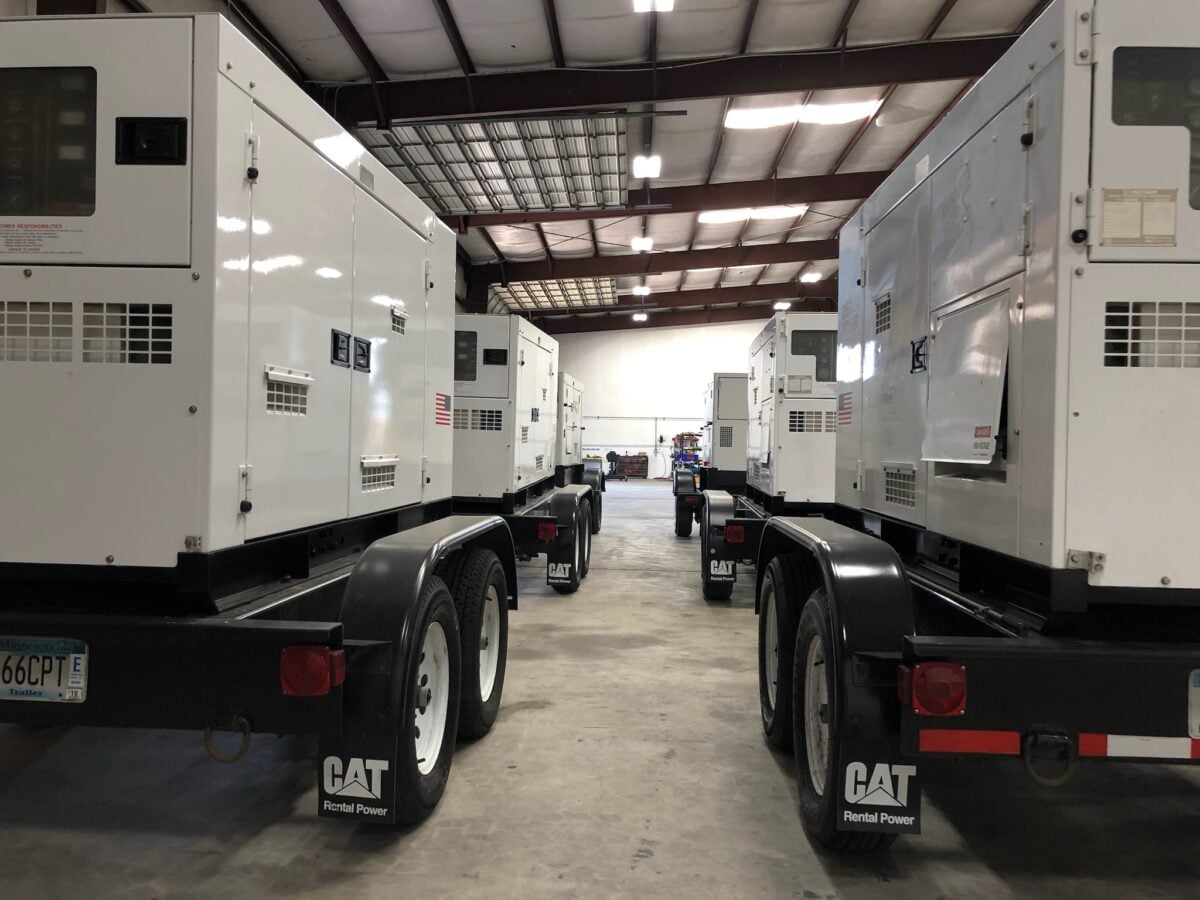
Emergency generators provide backup power during utility outages, helping businesses maintain critical operations. However, these generators must meet applicable EPA emissions requirements, which can vary based on engine specifications, installation type, and how the equipment is operated. Businesses should understand the rules that apply to their generators and maintain appropriate documentation to support compliance. Key considerations for emergency generator compliance include:
- Emissions certification: Verify the engine’s EPA certification and emissions tier to determine which standards apply.
- Operating restrictions: Certain emergency engines are subject to limits on non-emergency use, including restrictions on testing, maintenance, and other operating activities.
- Recordkeeping: Maintain required records of operating hours, testing, maintenance, and fuel use, as applicable to the engine and its regulatory requirements.
- Ongoing compliance: Review applicable federal, state, and local requirements to help ensure the generator remains compliant throughout its service life.
EPA Emissions Tier Ratings FAQ
How can I find the EPA emissions tier of a diesel generator?
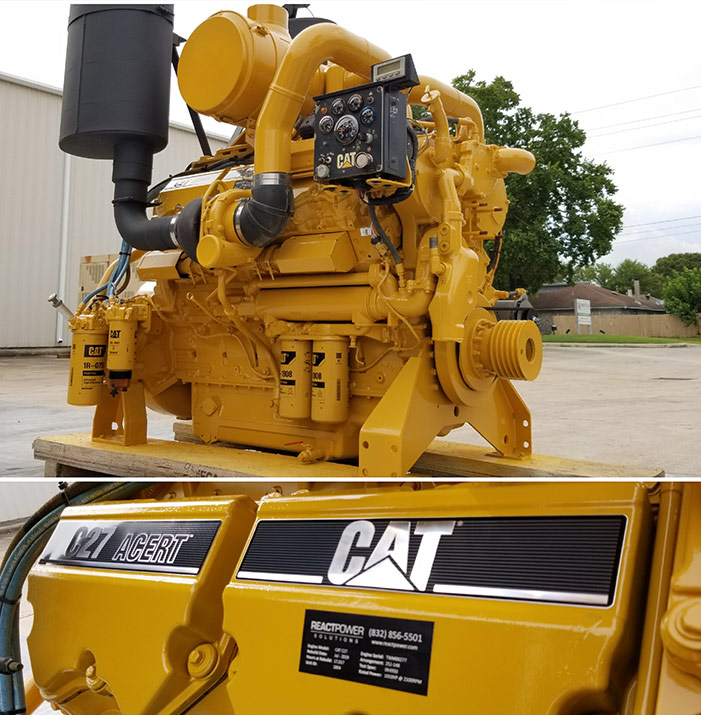
You can usually find a generator’s emissions tier on the engine’s emissions label, which may be located on the engine block or another accessible surface. The label typically includes information about the engine family, emissions certification, and applicable standards. If the label is missing or difficult to read, consult the engine manufacturer’s documentation or contact the manufacturer with the engine’s model and serial numbers.
Do EPA emissions tier ratings affect the resale value of a generator?
Emissions tier ratings can influence a generator’s resale value because buyers may consider regulatory requirements, operating costs, and intended use when evaluating equipment. A generator with a more recent emissions certification may be suitable for applications where older equipment faces additional restrictions. However, resale value also depends on factors such as operating hours, maintenance history, condition, brand, and available service records.
Can older diesel generators still be used under current EPA regulations?
Older diesel generators may continue to operate legally, but their eligibility depends on factors such as the engine’s certification, installation date, application, and applicable federal, state, and local regulations. Existing equipment is not automatically required to meet the newest tier standards simply because newer standards have been introduced. Businesses should verify the rules governing their specific generator and operating conditions before making assumptions about compliance.
What is the difference between EPA emissions certification and EPA emissions tier ratings?
EPA emissions tier ratings refer to the standards that establish allowable emissions limits for certain engine categories. Certification indicates that an engine has been approved as meeting the applicable emissions requirements under the relevant regulatory process. Reviewing both the tier and certification documentation can help buyers verify an engine’s emissions status and suitability for a particular application.
Do natural gas generators have the same EPA tier ratings as diesel generators?
No. The EPA’s Tier 1 through Tier 4 framework discussed in this article applies to specific categories of nonroad compression-ignition engines, including many diesel generator engines. Natural gas generators typically fall under different emissions regulations and certification requirements, depending on their engine type and application. Businesses comparing diesel and natural gas generators should evaluate the applicable standards for each engine rather than assuming the same tier system applies to both.
Choosing Generators That Meet EPA Emissions Standards
Understanding EPA emissions tier ratings can help businesses evaluate diesel generators based on emissions requirements, equipment specifications, and intended applications. Reviewing engine certifications and applicable regulations can help ensure equipment meets the necessary standards for its operating environment. Taking these factors into account when sourcing generator equipment can support informed purchasing decisions and long-term operational planning.
As an experienced power equipment provider, we offer a large selection of new and used diesel and natural gas generators from leading manufacturers. Our team provides equipment sourcing, inspections, testing, repairs, and rebuild services to help businesses find power equipment suited to their specific requirements.
Are you looking for generator equipment for your business or industrial application? Contact us to discuss your power requirements and explore generator options that fit your needs.