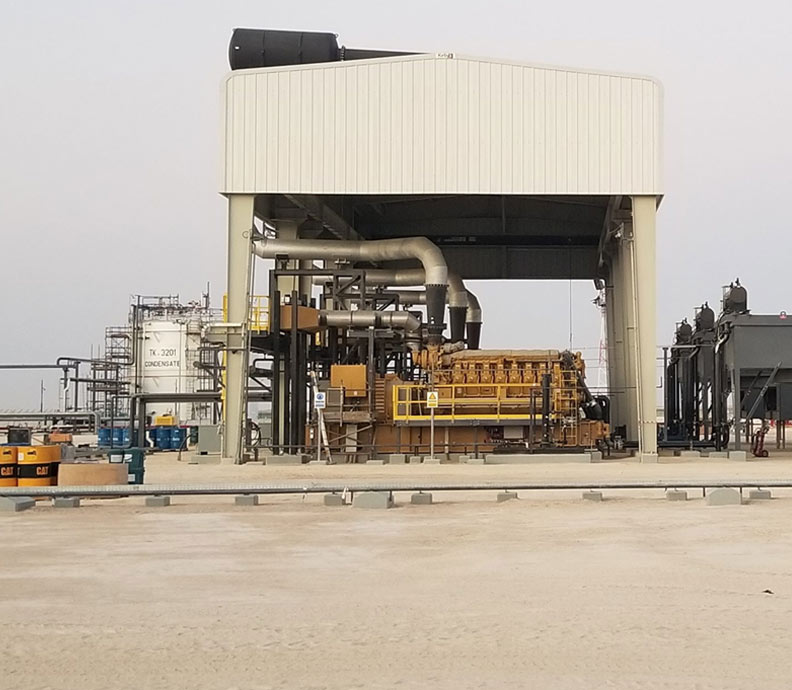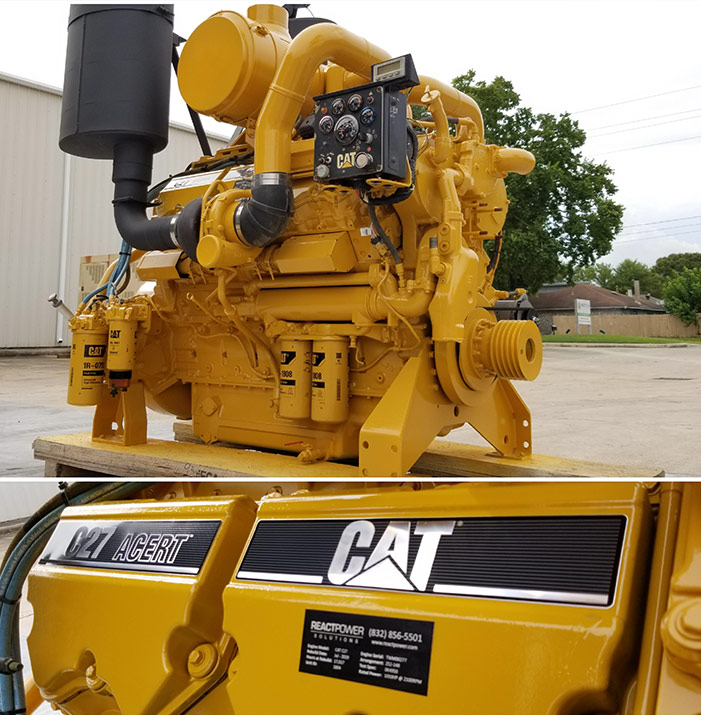
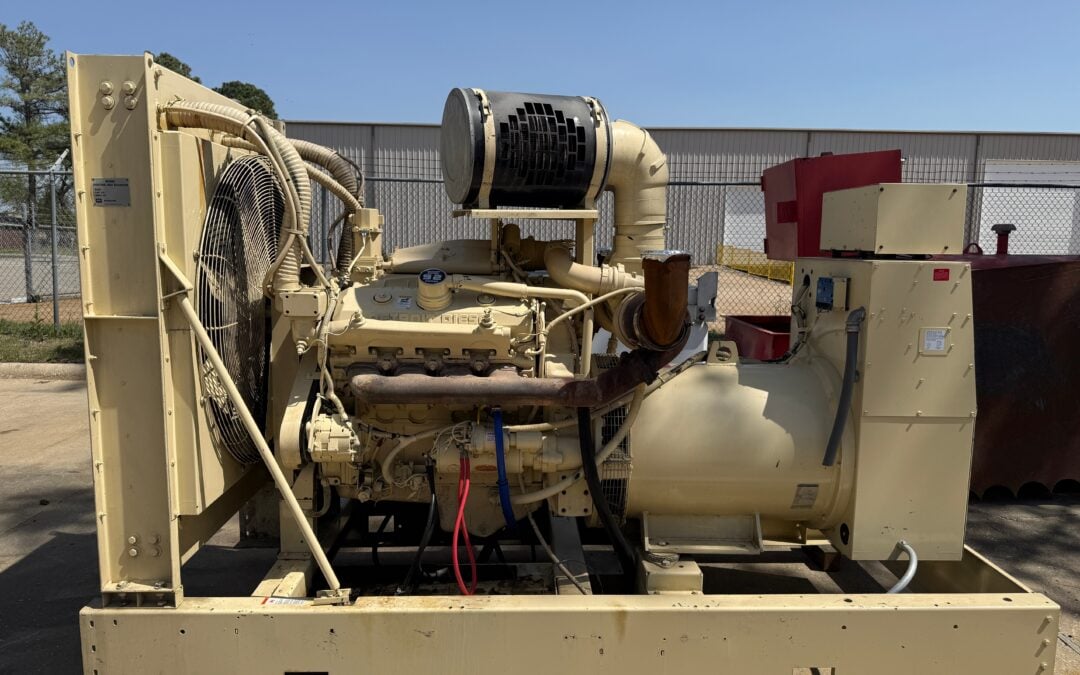
An industrial generator plays a critical role in keeping facilities operational when reliable power is needed most. Over time, however, even the most dependable equipment can experience wear, reduced efficiency, and performance issues that signal it may be time for a replacement. Understanding the factors that influence industrial generator replacement costs can help facility managers plan ahead and make informed decisions.
From generator size and equipment specifications to installation requirements and facility needs, several variables can impact the overall investment involved in replacing an industrial generator. By recognizing these considerations early, you can better evaluate your options, avoid unexpected expenses, and choose a solution that supports your long-term power needs.
Key Takeaways
- Industrial generator replacement costs include more than the equipment purchase price
- Fuel type, brand, and generator size can influence overall costs
- Proper installation can reduce future repair and maintenance needs
- Comparing diesel and natural gas options helps identify the best fit
- Regular maintenance can extend generator lifespan and delay replacement
Understanding the Basics of Industrial Generator Costs
Understanding industrial generator costs requires looking beyond the initial purchase price. While the generator itself is a major part of the investment, factors such as installation, maintenance, and operational requirements can also influence the overall expense. Evaluating these costs upfront helps facility managers make informed decisions that align with their power needs and long-term goals. Several factors can impact the total cost of an industrial generator, including:
- Generator size and power capacity required for the facility
- Equipment features, specifications, and customization needs
- Installation complexity and site preparation requirements
- Ongoing maintenance and service considerations
- Fuel type, efficiency, and operational demands
The Impact of Generator Size and Capacity on Cost
Generator size and capacity play a major role in determining replacement costs. Larger generators typically require more materials, engineering, and installation considerations, which can increase the overall investment. However, selecting the right size is about more than choosing the most powerful option. It requires matching the generator’s capacity to your facility’s specific power demands.
A proper load assessment helps ensure your generator can provide reliable power without unnecessary expenses. An oversized generator may lead to inefficiencies, while an undersized system may not provide enough power during critical operations. Choosing the right capacity helps balance performance, reliability, and cost.
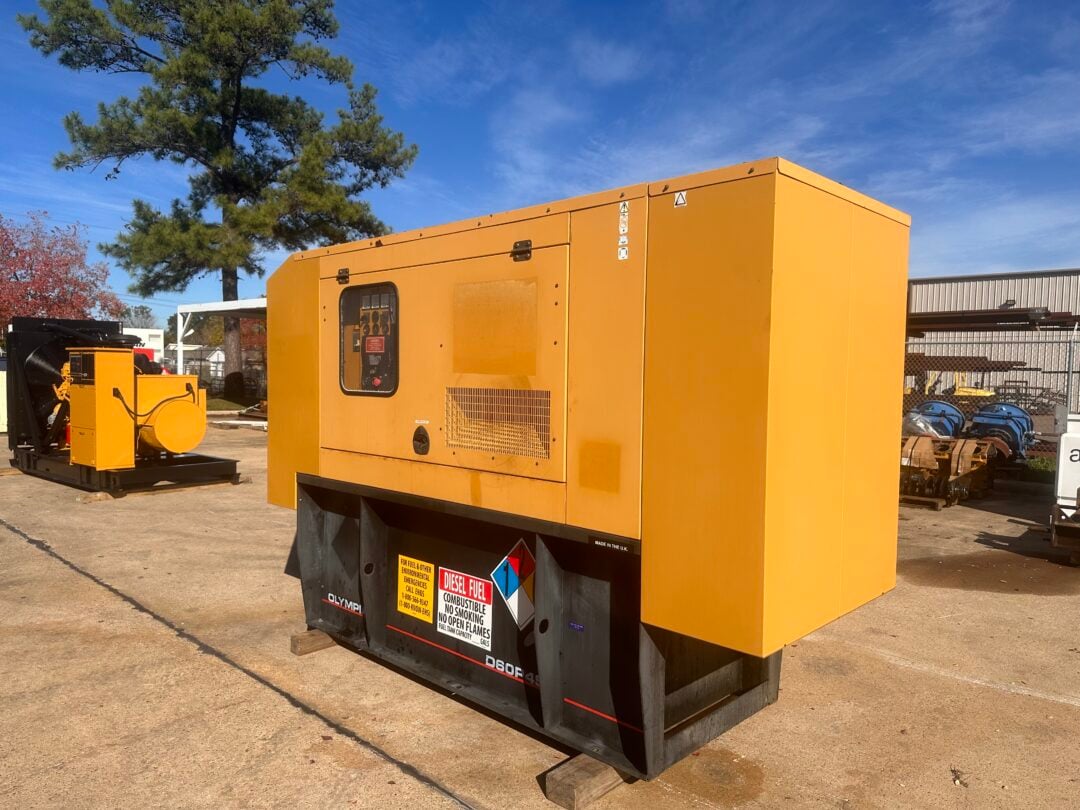
New Multiquip DCA70SSIU4F Generator Set
Factors Influencing the Price of a New Generator
The cost of a new industrial generator depends on several factors beyond the equipment itself. Fuel type, manufacturer, features, and project requirements can all influence the overall investment. Understanding these variables helps facility managers compare options and select a generator that meets their operational needs. Key factors that can affect industrial generator pricing include:
- Fuel type and availability, such as diesel or natural gas options
- Generator brand, reputation, and equipment reliability
- Additional features and technology, including automatic transfer switches
- Installation location, shipping requirements, and logistics
- Market conditions, availability, and project timing
How Generator Installation Affects Pricing
Generator installation involves more than simply placing equipment on-site and connecting it to a power system. Proper planning, site preparation, and compliance with safety requirements all play a role in the overall replacement cost. Factors such as custom enclosures, soundproofing, permits, and local regulations can influence installation expenses.
A professional installation also helps support long-term generator performance. When a system is installed correctly, it can operate more efficiently, reduce the risk of future issues, and provide reliable backup power when it is needed most.
Comparing Costs: Diesel Generators vs. Natural Gas Generators
Choosing between diesel and natural gas generators depends on your facility’s power requirements, available fuel sources, and long-term operational goals. While diesel generators may offer certain advantages in upfront investment and durability, natural gas generators can provide benefits related to fuel availability and ongoing operation. Comparing the key differences between these options can help you determine which system best fits your needs.
| Factor | Diesel Generators | Natural Gas Generators |
| Fuel Availability | Diesel fuel can be stored on-site for backup power needs | Requires access to a natural gas supply line |
| Upfront Costs | May have a lower initial investment depending on system requirements | Costs can vary based on installation and infrastructure needs |
| Maintenance | Known for durability but may require specialized service over time | May require more frequent maintenance depending on usage |
| Operating Costs | Fuel expenses can fluctuate based on diesel pricing | May offer cost advantages where natural gas is readily available |
| Best Fit | Facilities needing reliable backup power and fuel storage options | Facilities with access to natural gas and long-term operational goals |
The Role of Generator Maintenance in Replacement Decisions
Regular generator maintenance plays an important role in extending equipment lifespan and reducing the likelihood of unexpected failures. Preventive maintenance helps identify potential issues early, improves reliability, and keeps your facility’s backup power system operating safely.
Maintenance should also be considered when evaluating replacement decisions. A detailed service history can help you track performance over time, support future equipment upgrades, and maximize the value of your investment. Consistent upkeep can delay replacement while ensuring your generator continues to meet your facility’s power needs.
Generator Replacement Cost FAQs
How do I know when my industrial generator needs to be replaced?
Several signs can indicate that an industrial generator may be nearing the end of its useful life, including frequent breakdowns, reduced performance, and difficulty meeting your facility’s power demands. Aging equipment may also become harder to service if replacement parts are limited or no longer available. A professional inspection can help determine whether repairs are still practical or if replacement is the better long-term option.
Can I replace only certain components instead of the entire generator?
In some cases, replacing individual components can restore generator performance and extend the equipment’s service life. The best approach depends on the condition of the generator, the age of the system, and the availability of replacement parts. A thorough evaluation can help determine whether a component upgrade or full replacement provides the most value.
How long does an industrial generator replacement project typically take?
The timeline for replacing an industrial generator depends on factors such as equipment availability, site requirements, and the complexity of the installation. Planning, permitting, equipment delivery, and system testing can all affect the overall schedule. Working with experienced professionals can help streamline the process and minimize disruptions to facility operations.
What should I consider before upgrading to a newer generator model?
Newer generator models may include improved technology, enhanced efficiency, and features designed to simplify monitoring and operation. Before upgrading, consider your facility’s current and future power needs, compatibility with existing systems, and any changes in operational requirements. Choosing a generator that aligns with long-term goals can help maximize the value of the investment.
Are there ways to reduce disruptions during a generator replacement?
Proper planning can help minimize downtime and keep operations running smoothly during a generator replacement project. Temporary power solutions, detailed scheduling, and coordination with installation teams can help reduce the impact on daily operations. Discussing your facility’s needs ahead of time allows the replacement process to be planned around critical systems and timelines.
Making the Right Industrial Generator Replacement Decision
Replacing an industrial generator requires careful consideration of factors such as equipment condition, power requirements, fuel type, installation needs, and long-term operational goals. By understanding the elements that influence replacement costs, facility managers can make informed decisions that support reliable performance while aligning with their budget and facility needs.
As an experienced power equipment provider, React Power Solutions helps businesses evaluate, source, and maintain industrial generator systems with expert guidance and support. Our team provides equipment inspections, repairs, generator sourcing, and customized power solutions for diesel and natural gas generators to help keep critical operations running efficiently.
Is your industrial generator approaching the end of its service life? Contact us today to discuss your replacement options and find a reliable power solution designed for your facility.