Unexpected generator downtime can disrupt critical operations, delay production, and create costly setbacks for Houston businesses. Regular industrial generator maintenance helps keep equipment reliable, efficient, and ready to perform when backup power is needed. From routine inspections to fluid checks and component servicing, a consistent maintenance program can catch developing problems before they lead to equipment failure. It can also help extend equipment life and protect your investment.
Key Takeaways
- Regular maintenance helps extend generator life and improve reliability
- Understanding your generator type helps determine proper maintenance needs
- Identifying issues early can prevent costly repairs and downtime
- A consistent service schedule helps keep equipment ready for operation
- Reliable generators support business continuity during power outages
Importance of Regular Generator Service for Longevity
Regular generator service is essential for keeping industrial power equipment reliable and extending its operating life. Routine maintenance helps identify worn components and developing issues before they lead to equipment failure, costly repairs, or unexpected downtime. Professional inspections can also help maintain efficient performance and ensure the generator is ready when your business needs backup power.
Preventive maintenance is especially important for industrial generators that support critical operations. Following a consistent service schedule based on manufacturer recommendations and operating conditions can help protect your equipment investment and reduce the risk of unexpected breakdowns. Keeping up with scheduled maintenance also helps ensure your generator remains prepared for demanding operating conditions.
Identifying Common Generator Issues and When to Contact Technicians
Identifying generator problems early can help prevent equipment damage, costly repairs, and unexpected downtime. Facility managers should monitor for changes in generator performance and address potential issues before they affect critical operations. When a problem involves electrical components, fuel systems, or the engine, professional evaluation may be necessary.
| Common Issue | What It May Indicate | When to Contact a Technician |
| Unusual noises or vibrations | Loose components, worn parts, or mechanical issues | When the noise or vibration is persistent or worsening |
| Inconsistent power output | Electrical or mechanical problems | When voltage or power delivery becomes unstable |
| Warning lights or error codes | A detected equipment or system fault | When an alarm or code appears |
| Fuel or oil leaks | Damaged components or system leaks | Immediately, due to potential equipment and safety risks |
| Low coolant levels | A leak or cooling system issue | When coolant levels repeatedly drop or overheating occurs |
Understanding Different Types of Industrial Generators
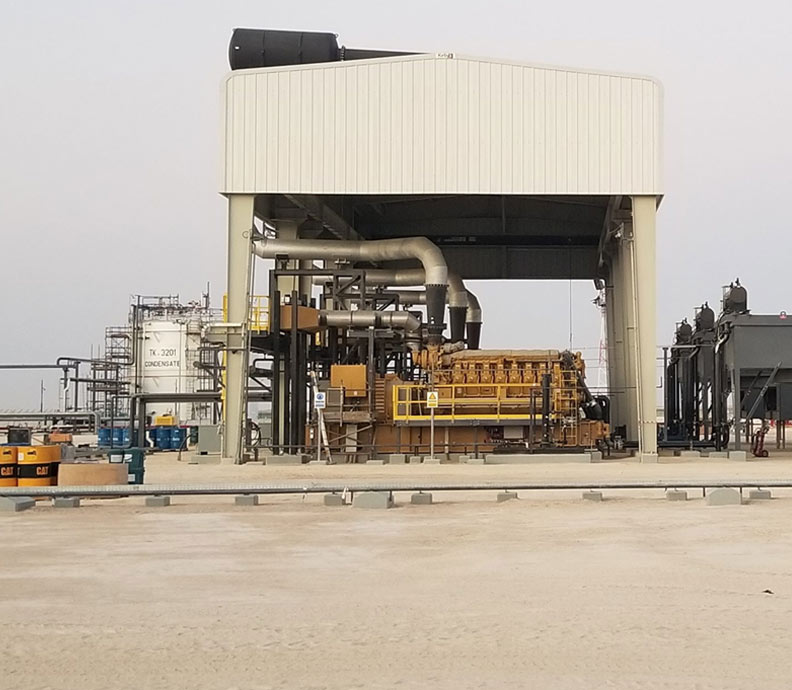
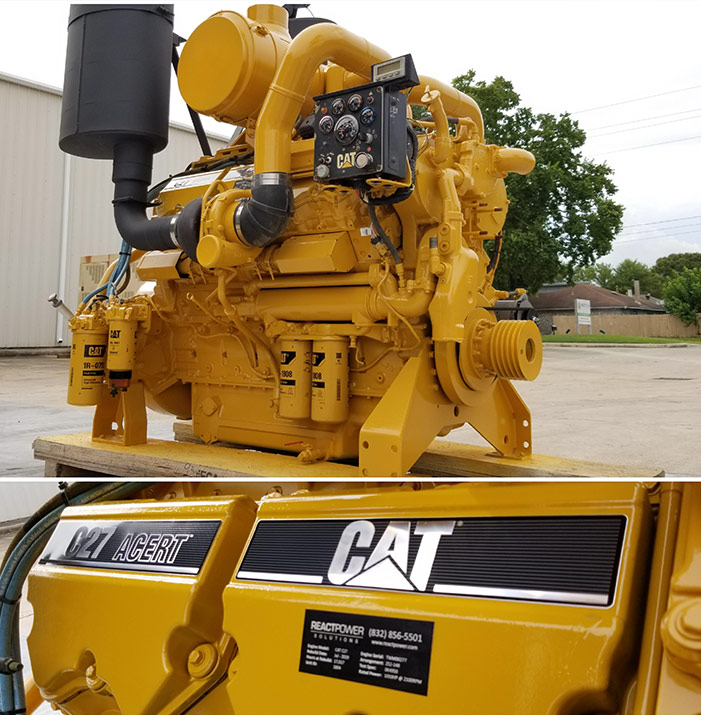
Industrial generators come in different types, sizes, and configurations designed to meet specific power requirements and operating conditions. Two common fuel types are diesel and natural gas, and each has its own maintenance considerations. Understanding your generator’s type and manufacturer recommendations can help ensure it receives the appropriate care.
- Diesel generators are well suited for heavy-duty applications and demanding operating environments. Their maintenance typically includes regular service of the engine, fuel system, filters, fluids, and other key components. Proper maintenance can help prevent fuel contamination, component wear, and performance issues.
- Natural gas generators use a continuous fuel supply and generally produce fewer emissions than diesel systems. Maintenance should focus on the engine, fuel system, electrical components, and overall operating performance. Regardless of fuel type, following the manufacturer’s recommended service intervals is essential for maintaining reliable performance and extending equipment life.
Scheduling Regular Industrial Generator Service and Repair
A consistent maintenance schedule helps keep industrial generators reliable, efficient, and ready for operation. Maintenance frequency should account for generator usage, manufacturer recommendations, and seasonal operating conditions. Keeping detailed service records also helps track completed work and identify recurring issues before they lead to costly downtime.
| Maintenance Task | Recommended Timing | Purpose |
| Visual inspection | Regularly | Identify leaks, damage, loose connections, or other visible issues |
| Fluid and filter checks | Based on manufacturer guidelines | Support proper engine lubrication, cooling, and fuel flow |
| Battery inspection | Regularly | Help ensure reliable generator starting |
| Electrical system inspection | Periodically | Identify worn connections, wiring issues, or other electrical concerns |
| Seasonal inspection | Before severe weather seasons | Prepare the generator for changing operating conditions |
| Professional service | Per manufacturer recommendations | Assess overall equipment condition and address developing problems |
The Role of Commercial Generators in Business Continuity
Reliable backup power is essential for businesses that depend on continuous operations. Commercial and industrial generators can keep critical equipment, safety systems, communications, and other essential operations running during power outages. A dependable generator can help businesses minimize disruptions, protect productivity, and maintain business continuity.
Generator maintenance is just as important as having backup power available. A well-maintained generator is more likely to perform when needed, reducing the risk of unexpected failures during an outage. By combining reliable equipment with a consistent maintenance program, businesses can better protect their operations, employees, and investment.
Industrial Generator Maintenance Questions
How often should an industrial generator be serviced?
Industrial generators should be serviced according to the manufacturer’s recommendations, operating hours, and facility requirements. Generators that operate frequently or support critical operations may require more frequent inspections and service. A consistent maintenance schedule helps identify developing issues before they result in equipment failure or downtime.
What maintenance does an industrial generator require?
Routine maintenance may include checking fluids, filters, batteries, belts, hoses, electrical connections, and the fuel system. Technicians should also inspect the engine, cooling system, exhaust system, and other critical components for signs of wear or damage. Following the manufacturer’s maintenance requirements helps keep the generator operating safely and efficiently.
Should an industrial generator be tested if it is rarely used?
Yes, generators that rarely operate should still be tested regularly to verify that they are ready when needed. Testing can help identify problems with the battery, fuel system, starting system, or electrical components before an emergency occurs. Following the manufacturer’s testing recommendations can help ensure reliable startup and performance.
How long can an industrial generator last with proper maintenance?
The service life of an industrial generator depends on its design, operating conditions, usage, and maintenance history. Consistent preventive maintenance can reduce component wear and help identify problems before they cause major damage. Proper servicing can extend equipment life and help businesses get more value from their generator investment.
What should a maintenance log include for an industrial generator?
A maintenance log should record service dates, operating hours, inspections, repairs, parts replaced, fluid changes, and any issues identified during testing. Keeping these records provides a history of the generator’s condition and helps technicians identify recurring problems. Detailed documentation can also make it easier to plan future maintenance and stay on schedule.
Extending the Life of Your Industrial Generator
Regular industrial generator maintenance plays an important role in extending equipment life, improving reliability, and reducing unexpected downtime. By following a consistent maintenance schedule, monitoring equipment condition, and addressing issues early, businesses can protect their investment and keep critical power systems ready for operation.
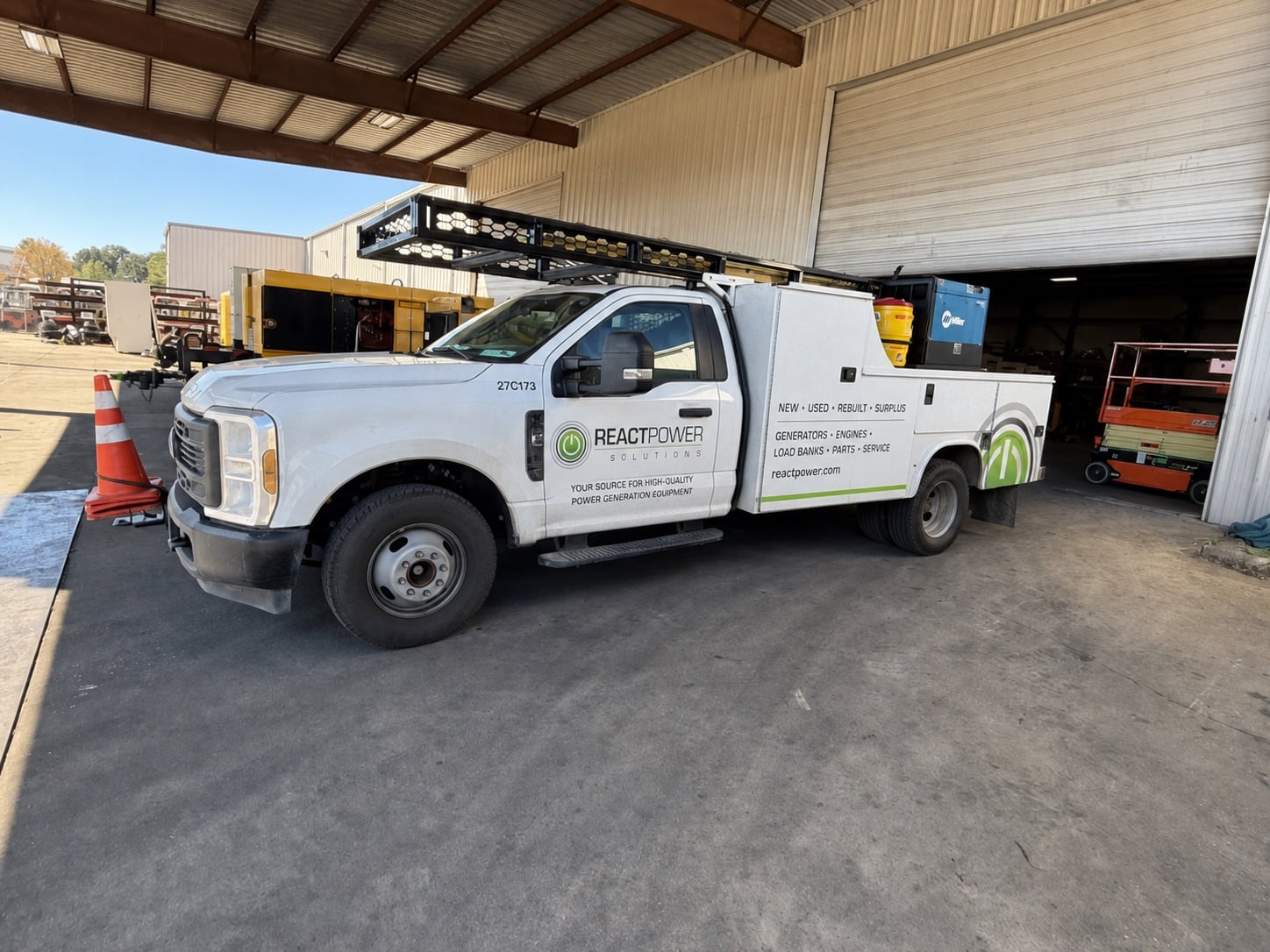
As an experienced power equipment provider, React Power Solutions helps businesses maintain, inspect, repair, and overhaul industrial generators. Our team provides equipment inspections, generator repair, overhaul, and rebuild services, and power solutions for diesel and natural gas generator systems.
Ready to improve your generator’s reliability and extend its service life? Contact us today to discuss your maintenance needs and keep your power generation equipment operating at its best.