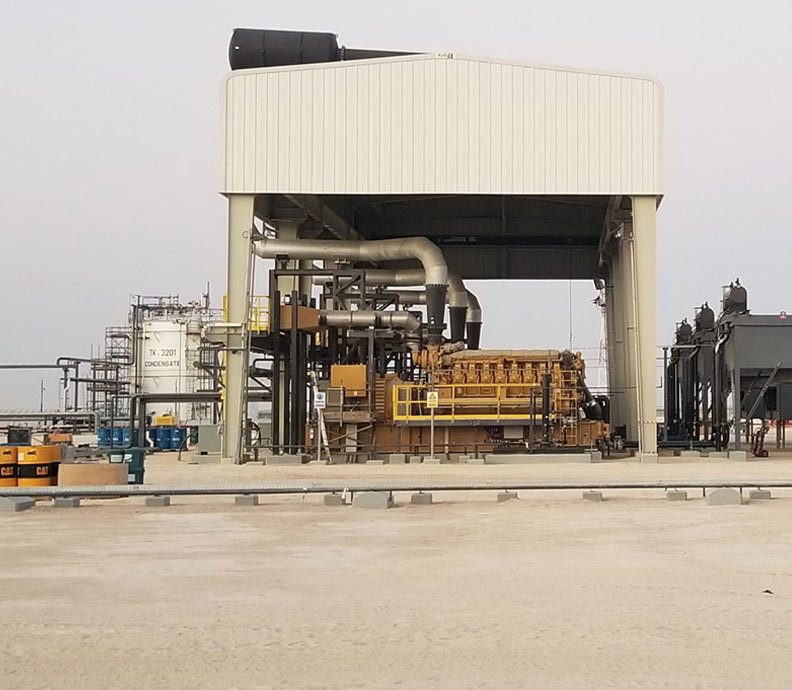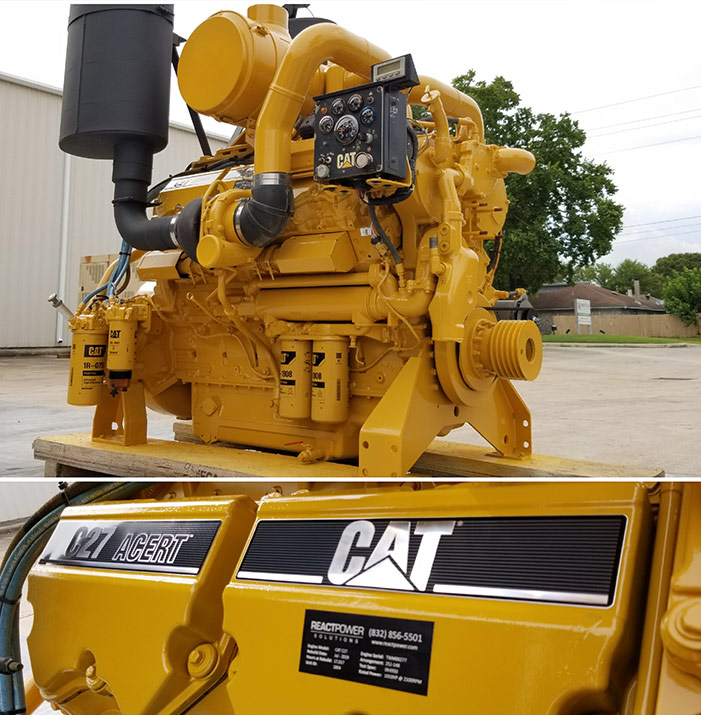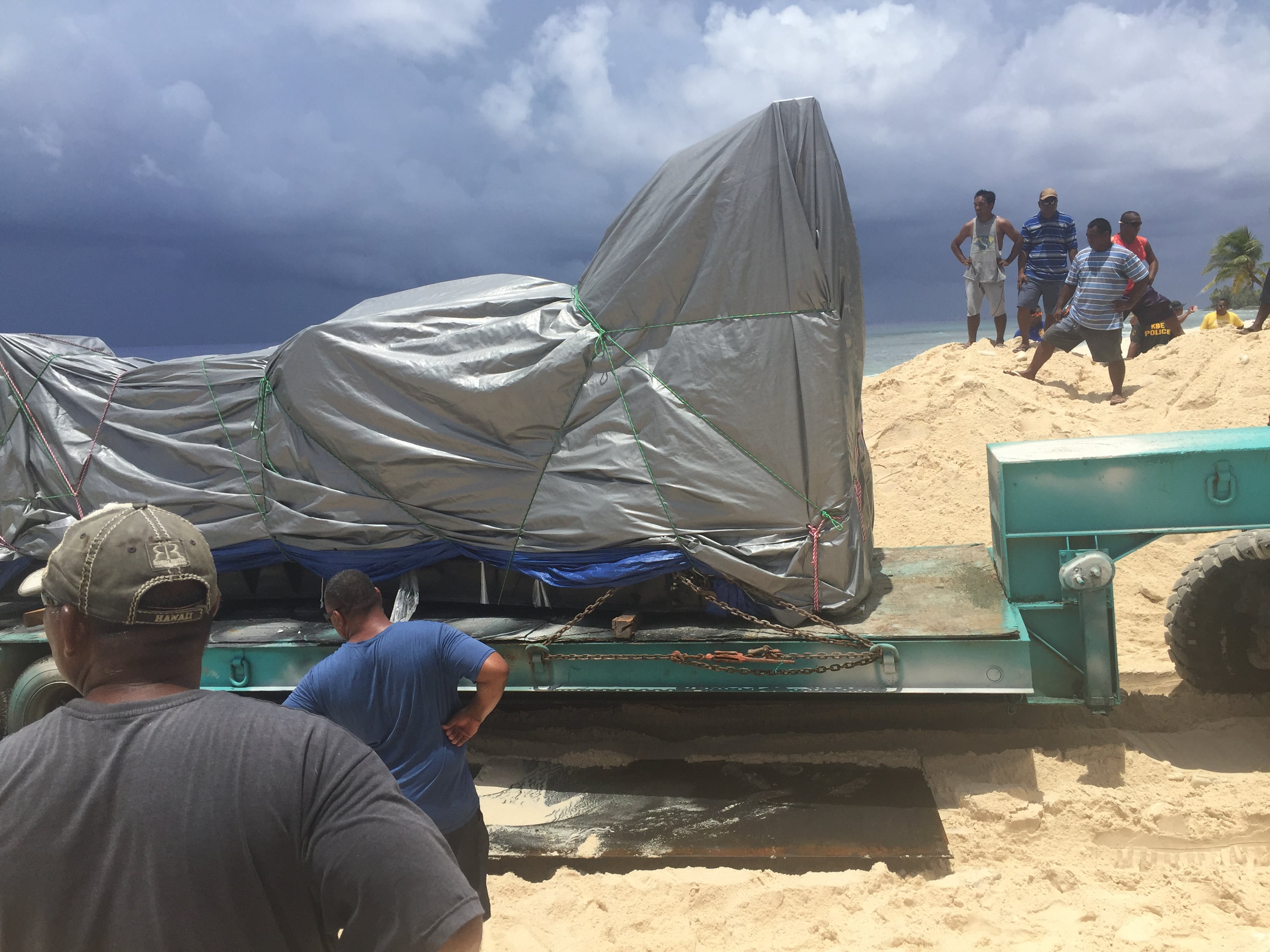

Rising electricity demand is putting greater pressure on power-generation infrastructure, making generator availability and procurement timelines important considerations for businesses that depend on reliable electricity. Data centers supporting artificial intelligence (AI), Bitcoin mining operations, and indoor cannabis cultivation all require substantial amounts of power to maintain continuous operations.
As these industries expand, demand for industrial generators and other power-generation equipment can influence equipment availability and lead times. Understanding the factors behind these trends can help businesses plan equipment purchases, evaluate backup power requirements, and prepare for potential procurement delays.
Key Takeaways
- AI and data center growth are increasing electricity demand
- Bitcoin mining requires substantial power for continuous computing
- Indoor cannabis cultivation uses energy-intensive lighting and climate control
- Demand, manufacturing capacity, and supply chain issues affect generator lead times
- Early planning helps businesses prepare for equipment needs
What Is Driving Demand for Power Generation Equipment in 2026?
Electricity demand continues to grow as businesses expand digital infrastructure, electrify operations, and increase industrial production. Data centers supporting artificial intelligence (AI), Bitcoin mining facilities, and other energy-intensive operations require substantial amounts of electricity to maintain performance. These trends are contributing to power generation equipment demand as businesses look for ways to secure sufficient capacity for current operations and future growth.
Grid connection delays and limited electrical infrastructure can make it difficult for large facilities to access the power they need on schedule. As a result, some businesses consider on-site generation to supplement grid electricity or provide additional capacity while utility infrastructure catches up with demand. Generators also play an important role in backup power systems, helping critical operations maintain or restore electricity during grid outages.
Backup power and on-site generation serve different purposes. Backup generators typically provide electricity when the primary power supply fails, while on-site generation can operate alongside the grid to help meet ongoing electricity needs. Depending on the facility’s power requirements and operating conditions, businesses may use one or both approaches to support reliable operations.
How AI Data Centers Are Affecting Generator Lead Times
The expansion of AI computing is increasing data center power demand, as facilities need reliable electricity for servers, cooling systems, and supporting infrastructure. The International Energy Agency (IEA) has examined how AI and data center growth could affect global electricity consumption. As projects scale up, AI data center power requirements can increase demand for standby generators and other power infrastructure, potentially affecting procurement timelines.
Several factors help explain how data center projects can influence generator lead times:
- Continuous power needs: Servers, cooling equipment, and supporting systems require dependable electricity to maintain computing operations and service availability.
- Standby power requirements: Diesel generators are commonly used in standby systems to supply electricity if the primary power source fails, helping limit disruptions to critical operations.
- Large equipment orders: Major data center projects may require multiple generator sets, increasing the volume of equipment that must be sourced and delivered.
- Manufacturer and supplier capacity: Large projects can add pressure to production schedules and equipment availability, particularly when demand is high.
- Project-specific specifications: Generator capacity, configuration, quantity, and delivery schedules all affect procurement timelines. Lead times vary by equipment model, manufacturer, and project requirements, so data center growth is not the only factor influencing availability.
- Growing electricity consumption: The IEA’s Energy and AI report projects that global data center electricity consumption could roughly double by 2030, driven in part by AI adoption.
- Cooling and support systems: High-density computing generates heat, making cooling and other infrastructure essential parts of a data center’s overall power requirements.
IEA - Grid and infrastructure constraints: Delays in grid connections and limited equipment availability can complicate project schedules and increase the need to plan power infrastructure early.
- Variable procurement timelines: Generator lead times depend on the required capacity, specifications, manufacturer production schedules, and overall project demand. Data center expansion can contribute to pressure on supply, but it is not the only factor affecting availability.
How Bitcoin Mining and Indoor Cannabis Cultivation Add to Power Demand
Bitcoin mining and indoor cannabis cultivation rely on equipment that can consume substantial amounts of electricity throughout daily operations. Although their power needs differ, both industries depend on consistent electricity to support essential equipment and maintain productivity. Facility size, equipment efficiency, and operating schedules all influence demand, leading some operators to evaluate on-site generation or backup power to help manage interruptions.
Bitcoin Mining Electricity Consumption
Bitcoin mining requires specialized computing equipment to process transactions and maintain the blockchain. Because mining operations may run around the clock, Bitcoin mining electricity consumption can be significant, particularly at large facilities with extensive computing hardware. The Cambridge Centre for Alternative Finance tracks the digital mining industry and its energy use, providing research into the electricity demands associated with cryptocurrency mining.
Reliable electricity helps mining facilities keep equipment operating and avoid interruptions that can reduce computing output. Some operators consider backup power or on-site generation to support operational continuity, although the appropriate approach depends on facility requirements, available grid capacity, and operating costs.
Indoor Cannabis Cultivation Energy Consumption
Indoor growing facilities use electricity to create and maintain controlled conditions for plant growth. Indoor cannabis cultivation energy consumption is driven by grow lights, heating, ventilation and air conditioning (HVAC), dehumidification, and air circulation. Research on indoor cultivation facilities identifies lighting and environmental controls as major electricity users, though actual requirements vary by facility design and equipment efficiency.
Consistent temperature, humidity, and airflow help maintain growing conditions, so interruptions to power can disrupt environmental controls and affect operations. Larger facilities or those using less efficient equipment may have higher power requirements. Some operators evaluate on-site generation or backup generators to help maintain critical systems during outages, but generator use depends on the facility’s power needs, grid access, and overall energy strategy.
What Factors Affect Industrial Generator Lead Times?
Industrial generator lead times depend on equipment demand, manufacturer capacity, component availability, and project-specific requirements. As orders increase across industries, certain generator sizes and configurations may become harder to source, contributing to localized generator shortages. Broader electrical infrastructure constraints can also delay projects, although generator availability is separate from the supply of transformers and grid connection equipment. Businesses should evaluate the factors below and confirm current availability for the specific equipment they need rather than relying on a single lead-time estimate.
| Factor | How It Affects Procurement |
| Demand and manufacturing capacity | Higher order volumes across data centers, industrial facilities, and other sectors can strain manufacturer capacity and reduce available production slots. Linesight’s 2026 Americas research identifies generators as a significant long-lead equipment category, with large units facing particularly extended timelines. |
| Generator size and configuration | Demand for specific capacities, manufacturers, or configurations can affect availability. Standard models may follow different schedules from customized equipment designed for specialized applications. |
| Component availability | Engines, alternators, control systems, and other required components can affect production schedules when supplies are constrained. |
| Emissions and technical requirements | Applicable emissions standards, site conditions, and project specifications can narrow the range of suitable equipment and affect configuration or delivery timing. |
| Diesel generator availability | Diesel generator lead times vary by model, capacity, manufacturer, and current order volume. Availability for one diesel generator does not necessarily reflect availability for another. |
| Electrical infrastructure constraints | Transformer shortages, grid connection delays, and other utility infrastructure limitations can postpone a project even if the generator itself is available. These are related but distinct supply and scheduling issues. |
| Order volume and delivery logistics | Large orders may require coordination across multiple units, testing, shipping, and site delivery schedules. These requirements can affect when equipment is ready for use. |
Because procurement conditions vary across equipment categories and suppliers, businesses should confirm current inventory, production status, and estimated delivery dates for the specific generator model and configuration required. Linesight’s findings provide useful market context, but they should not be treated as a universal lead-time estimate for every industrial generator.
How Businesses Can Plan for Generator Availability in 2026-2027
Businesses can reduce procurement uncertainty by defining their power requirements early, discussing availability with suppliers, and allowing time for equipment preparation and delivery. React Power Solutions sources and supplies power-generation equipment for a range of applications, helping businesses evaluate equipment options based on their specifications, operating needs, and project timelines.
- Determine power requirements. Identify the required generator capacity, current and anticipated electricity demand, operating conditions, and intended application, such as standby or prime power. Confirm that the proposed use is supported by the selected equipment.
- Identify project-specific requirements. Establish any technical specifications, emissions requirements, site conditions, or compatibility needs that could limit suitable generator options.
- Contact suppliers early. Begin procurement discussions before equipment is urgently needed. Early communication gives businesses more time to evaluate availability and address potential scheduling constraints.
- Confirm availability and delivery timelines. Ask suppliers about current inventory and estimated delivery dates for the required generator model. Confirm whether the timeline includes configuration, testing, shipping, and commissioning, where applicable.
- Evaluate alternative equipment options. Ask about other manufacturers, capacities, or configurations that meet the project’s technical requirements. Compare alternatives based on application, emissions compliance, and compatibility without compromising required performance or safety.
- Coordinate specifications and logistics. Work with an experienced supplier to review equipment requirements, sourcing options, shipping arrangements, and expected delivery schedules. Clear communication can help identify potential procurement challenges and establish realistic expectations for the project.
Generator Lead Times FAQ
Can generator lead times change after an order is placed?
Yes, delivery schedules can change if component availability, manufacturing schedules, or shipping arrangements shift. Changes to equipment specifications or order requirements may also affect the timeline. Businesses should maintain communication with their supplier to stay informed about potential delays.
Can businesses purchase generators from existing inventory instead of ordering new equipment?
Yes, available inventory may provide an alternative to waiting for a new unit to be manufactured. Options depend on the generator’s capacity, condition, specifications, and suitability for the intended application. Businesses should verify equipment details and current availability before making a purchasing decision.
What information should businesses provide when requesting a generator quote?
Businesses should provide the required power output, intended application, operating conditions, fuel preference, and applicable emissions requirements. Project timelines, site requirements, and any specific manufacturer or configuration preferences can also help suppliers identify suitable options. Providing these details early can make availability and delivery estimates more relevant.
Does buying a used generator eliminate long procurement timelines?
Not necessarily. A used generator may be available sooner than a new unit, but lead times can still depend on inventory, equipment condition, inspection, testing, and shipping. Businesses should confirm that the unit meets their technical requirements and can be prepared for delivery within the desired timeframe.
When should a business begin planning for a replacement generator?
Businesses should begin evaluating replacement options well before their existing equipment reaches the end of its expected service life or becomes unreliable. Reviewing operating needs, equipment condition, budget, and potential replacement requirements early allows more time to compare available models and coordinate procurement. The appropriate planning window depends on the facility’s risk tolerance and the equipment required.
Plan Ahead for Generator Availability
Generator lead times in 2026 are influenced by rising electricity demand from AI data centers, Bitcoin mining operations, and indoor cannabis cultivation, as well as manufacturing capacity and supply chain conditions. Availability varies by generator model, configuration, manufacturer, and current market demand, making it important for businesses to confirm timelines for their specific equipment requirements.
React Power Solutions sources and supplies power-generation equipment for industrial and commercial applications. Finding the right generator involves evaluating the intended application, required capacity, equipment configuration, and delivery schedule to identify options that meet a facility’s operational needs.
Contact us to discuss your power-generation equipment requirements, explore available options, and confirm current generator availability and estimated lead times.