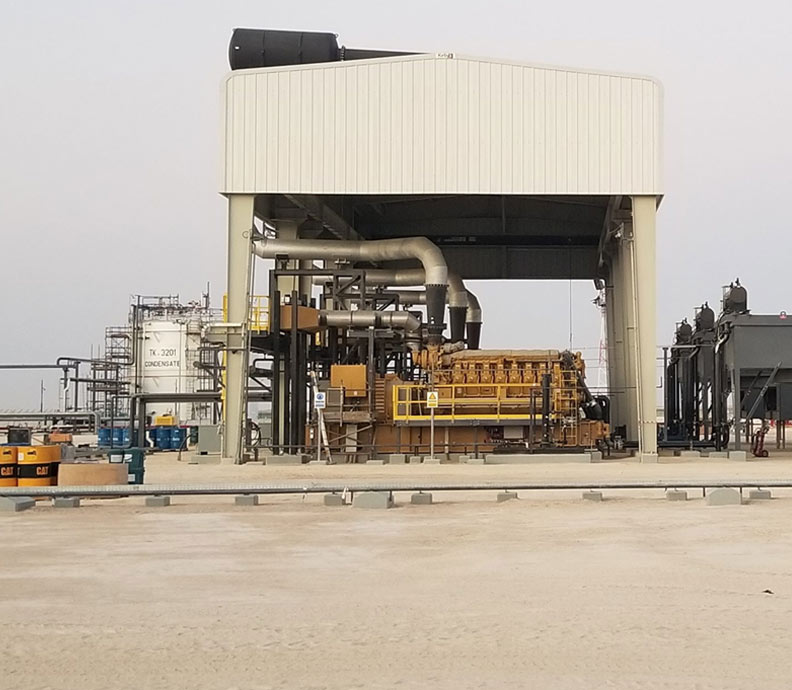
Industrial facilities often require more power than a single generator can provide efficiently. Generator load sharing allows multiple generator sets to work together by distributing electrical demand across the available units, helping facilities maintain reliable power while making better use of their generating capacity.
For facilities with changing electrical loads, load sharing can provide greater flexibility than relying on one generator to carry the entire demand. A properly designed system can coordinate generator output, bring additional units online when needed, and reduce unnecessary generator operation when demand is lower.
Understanding how generator load sharing works can help facility managers and power-system professionals evaluate whether a multiple-generator configuration is appropriate for their application.
Key Takeaways
- Generator load sharing distributes demand across multiple generator sets
- Load-sharing controls coordinate generator output and balance electrical loads
- Real and reactive power require different load-sharing control methods
- Multiple generators provide greater capacity, redundancy, and flexibility
- Proper design, controls, maintenance, and testing support reliable performance
How Generator Load Sharing Works
Generator load sharing is the process of distributing electrical demand among two or more generators operating in parallel. Instead of one generator supplying the entire facility load, the system coordinates the generators so each unit contributes an appropriate portion of the total power requirement.
For example, a facility operating three generators may experience an increase in electrical demand as additional equipment comes online. A load-sharing system can coordinate the generators so the available capacity is distributed among the operating units. If demand decreases, the system can adjust generator output or remove unnecessary units from service, depending on the system configuration.
Load sharing typically involves coordinating both real power, measured in kilowatts (kW), and reactive power, measured in kilovolt-amperes reactive (kVAR). Engine governors and associated controls influence real-power sharing, while excitation systems and automatic voltage regulators help manage reactive-power sharing.
The goal is to keep the generators operating within their capabilities while maintaining the voltage and frequency characteristics required by the facility’s electrical system.
Components That Support Generator Load Sharing
Several components work together to coordinate generator output and distribute electrical demand across multiple generator sets. Load-sharing controls, engine governors, automatic voltage regulators, and paralleling switchgear each perform different functions within the system. Modern digital controllers and automatic synchronizing equipment can further coordinate these components for more precise and automated operation.
| Component | Function in Load Sharing |
| Load-Sharing Controls | Monitor generator output and coordinate the distribution of real and reactive power among operating generator sets as electrical demand changes |
| Engine Governors | Regulate engine speed and help control real-power output, allowing generators operating in parallel to share the facility’s kW load |
| Automatic Voltage Regulators (AVRs) | Control generator excitation and maintain output voltage while helping coordinate reactive-power distribution between generators |
| Paralleling Switchgear | Connects generators to a common electrical bus and incorporates circuit breakers, protective devices, monitoring equipment, and control systems |
| Automatic Synchronizing Controls | Monitor electrical conditions such as voltage, frequency, and phase relationships to coordinate the safe connection of generators to the common bus |
| Digital Generator Controllers | Monitor and coordinate generator operation, load sharing, protection, and other system functions through automated control and communication capabilities |
Benefits of Generator Load Sharing
Generator load sharing allows multiple generator sets to work together to meet a facility’s electrical demand. By distributing the load across available units, a properly designed system can provide greater capacity and flexibility while helping generators operate according to current power requirements. The specific benefits depend on generator sizing, system controls, operating conditions, and the facility’s power needs. Key benefits of generator load sharing include:
- Increased power capacity: Multiple generator sets can operate together to provide a combined output for facilities with substantial electrical demands
- Greater redundancy: Multiple generators can provide continued generating capacity when an individual unit is undergoing maintenance or is temporarily unavailable
- Improved load management: Generators can adjust their output as electrical demand changes, helping avoid unnecessarily operating a large generator at a low load
- Maintenance flexibility: Individual generator sets may be taken offline for scheduled service while other units continue supplying available capacity
- Scalable power generation: Additional generator sets can potentially be incorporated as a facility’s electrical requirements increase over time
- Operational flexibility: Generators can be brought online or removed from service based on changing load requirements and system conditions
Types of Generator Load Sharing
Generator load sharing can use different control methods depending on the generator configuration, electrical system, and facility requirements. These methods can manage real power, reactive power, or generator frequency to help multiple units operate together effectively. The appropriate approach depends on the equipment and how the generators are expected to respond to changing electrical demand.
| Load-Sharing Type | Description | Primary Function |
| kW Load Sharing | Distributes real electrical power among operating generators using engine governors and generator controls | Helps balance the facility’s real-power demand across available generator sets |
| kVAR Load Sharing | Distributes reactive power through generator excitation and voltage-control systems | Helps prevent individual generators from carrying an excessive share of the reactive load |
| Droop Control | Adjusts generator frequency or voltage characteristics as load changes, allowing multiple units to establish a balanced contribution | Provides a straightforward method for coordinating generator output when operating in parallel |
| Isochronous Load Sharing | Uses coordinated controls to maintain system frequency while distributing power among multiple generators | Provides precise control of generator output and system frequency |
| Load-Sharing System Selection | Considers generator specifications, controls, electrical distribution, and facility operating requirements | Helps determine which control strategy is appropriate for a specific power-generation system |
Industrial Applications for Generator Load Sharing
Generator load sharing can be useful for facilities with substantial, variable, or critical electrical demands. Multiple-generator systems can help facilities respond to changing loads while providing additional capacity and operational flexibility. The appropriate configuration depends on factors such as the facility’s load profile, generator specifications, fuel requirements, redundancy needs, and electrical distribution system. Common applications for generator load sharing include:
- Manufacturing facilities: Coordinate generator output as production equipment and machinery start, stop, or change operating loads
- Data centers: Support continuous power requirements and provide additional generating capacity and redundancy for critical systems
- Hospitals: Help maintain available power for essential systems while providing flexibility for maintenance and changing electrical demands
- Industrial plants: Distribute substantial electrical loads across multiple generator sets and accommodate changing operational requirements
- Oil and gas operations: Support power requirements in applications where reliable electrical generation is essential to ongoing operations
- Critical infrastructure: Provide multiple generator sets that can work together to support essential electrical loads and system redundancy
- Growing facilities: Allow additional generator sets to potentially be incorporated as electrical requirements increase over time
Generator Load Sharing Questions
What is generator load sharing?
Generator load sharing is the process of distributing electrical demand among multiple generators operating in parallel. Controls coordinate the generators so each unit contributes an appropriate amount of real and reactive power to the overall electrical load.
Why is load sharing important for industrial generators?
Load sharing can help industrial facilities use multiple generators more effectively when electrical demand is high or variable. It can also support additional generating capacity, redundancy, and operational flexibility when the system is properly designed.
What is the difference between kW and kVAR load sharing?
kW load sharing involves distributing real electrical power among generators and is primarily influenced by engine and governor controls. kVAR load sharing involves distributing reactive power and is generally managed through generator excitation and voltage-control systems.
Generators with different capacities can potentially operate in parallel when the system is designed and controlled appropriately. The load-sharing strategy must account for the capacity and operating characteristics of each generator so individual units are not improperly loaded.
How does load sharing affect generator maintenance?
A multiple-generator system can provide additional maintenance flexibility because individual units may be taken offline while other generators remain available. Whether a facility can maintain operations during maintenance depends on the remaining generator capacity and the facility’s electrical load requirements.
Supporting Reliable Power With Generator Load Sharing
Generator load sharing allows multiple generator sets to coordinate their output and distribute electrical demand across a power system. By managing real and reactive power, load-sharing controls can help facilities make effective use of available generator capacity while supporting flexibility, redundancy, and reliable operation.
As an experienced power equipment provider, React Power Solutions offers a large selection of new and used diesel and natural gas generators from leading manufacturers. Our team provides equipment sourcing, inspections, testing, repairs, and rebuild services to help businesses find power equipment suited to their specific requirements.
Are you evaluating generator options for an industrial facility? Contact us today to discuss your facility’s power requirements and explore generator solutions that fit your application.