Weather patterns can create challenges for businesses at any time, but the strengthening 2026–2027 El Niño event deserves particular attention from organizations that depend on reliable electrical power. According to the latest NOAA Climate Prediction Center outlook, there is a greater than 90% chance of a very strong El Niño during the Northern Hemisphere fall and winter, along with a 75% chance that the October–December 2026 period could reach historic strength based on records dating back to 1950.
For facilities that rely on electricity to operate equipment, maintain environmental controls, protect data, or support critical services, weather-related disruptions can quickly become operational problems. While El Niño does not guarantee specific weather conditions or power outages in every region, businesses can use the current forecast as an opportunity to evaluate their emergency power preparedness and identify potential vulnerabilities before an outage occurs.
What Is a Very Strong El Niño?
El Niño is a climate pattern associated with unusually warm sea surface temperatures in the central and eastern tropical Pacific Ocean. These changes can influence atmospheric circulation and shift seasonal weather patterns across different regions of the United States and around the world.
The current event is attracting particular attention because of its strength and the potential for significant regional weather impacts. However, a very strong El Niño does not mean every location will experience the same conditions. Its effects can vary by region and may include changes in seasonal precipitation, temperatures, and other weather patterns.
For businesses, the important consideration is how potential weather disruptions could affect facilities that depend on reliable electrical power. Severe weather and utility interruptions can create significant challenges when even a temporary loss of electricity affects production, equipment, communications, environmental controls, data, or essential services.
For these businesses, preparing for potential power disruptions before they occur can be an important part of maintaining operational continuity.
How Extreme Weather Can Affect Business Power
Severe weather can create challenges for electrical reliability in several ways. High winds, flooding, lightning, heavy precipitation, and other conditions can damage infrastructure, disrupt utility service, or make access to facilities more difficult.
For businesses that depend on continuous electricity, even a temporary utility interruption can affect equipment, production, communications, environmental controls, and other critical operations. The potential impact becomes even greater for facilities where downtime can result in lost productivity, damaged equipment, or interruptions to essential services.
Severe weather → utility disruption → operational downtime
For a residential customer, an outage may mean temporarily losing lighting, air conditioning, or appliances. For an industrial facility, healthcare operation, data center, construction site, or other critical operation, the consequences can be considerably more significant.
Which Industries Should Be Preparing for Power Disruptions?
Businesses don’t all have the same emergency power requirements. A small commercial facility may only need to keep essential systems operating, while an industrial operation may require substantial power to protect equipment and maintain production. Several industries should evaluate their backup power requirements before severe weather arrives.
Manufacturing Facilities
Manufacturing operations often depend on electrically powered machinery, automation systems, ventilation, cooling, lighting, and other equipment. An unexpected outage can interrupt production and potentially leave machinery or materials in vulnerable conditions. A properly sized diesel or natural gas generator can provide emergency power for critical loads and help facilities resume or maintain operations during an outage.
Data Centers and Technology Facilities
Data centers have little tolerance for unexpected power interruptions. Servers, cooling systems, networking equipment, security systems, and other infrastructure may need continuous power to maintain availability and protect valuable data. Backup generation is therefore an important part of a broader business continuity strategy for facilities where downtime can have immediate operational and financial consequences.
Healthcare Facilities
Hospitals, clinics, laboratories, and other healthcare facilities may depend on electricity for critical medical equipment, refrigeration, ventilation, lighting, communications, and life-safety systems. Emergency power requirements can be extensive, making generator capacity, reliability, and proper system planning especially important.
Oil and Gas Operations
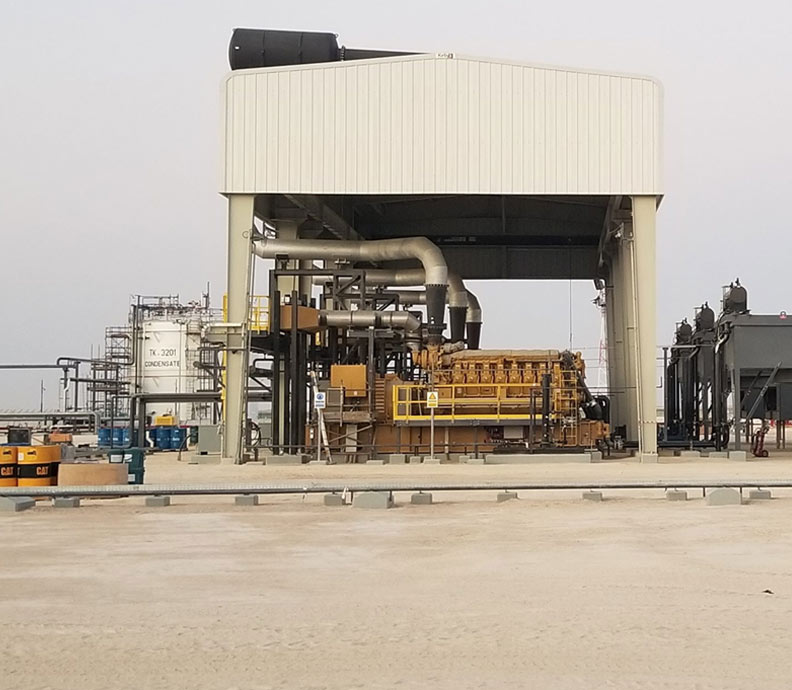
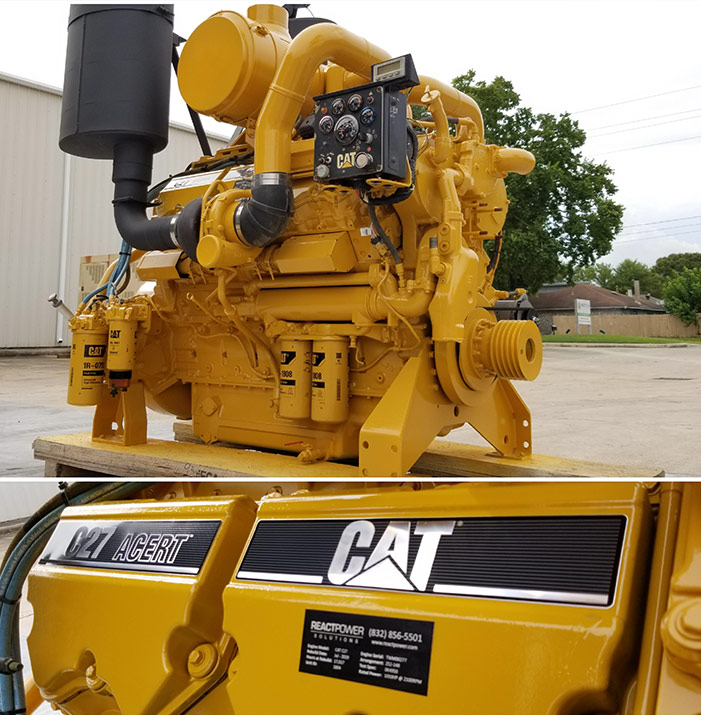
Oil and gas facilities can operate in demanding environments where reliable power is essential for equipment, controls, monitoring systems, and other critical processes. React Power Solutions provides diesel and natural gas power equipment suitable for industrial applications, including equipment used in oil and gas environments. Its inventory includes equipment from manufacturers such as Caterpillar, Cummins, Kohler, Waukesha, and Detroit Diesel.
Construction Sites
Construction projects frequently operate with temporary power requirements and equipment located in exposed environments. Severe weather can make reliable electricity even more important for maintaining schedules, protecting equipment, and supporting site operations. Portable and stationary generator options can provide power where utility service is unavailable or insufficient for project requirements.
Commercial and Industrial Facilities
Office buildings, warehouses, distribution centers, processing facilities, and other commercial properties may rely on electrical systems for security, HVAC, refrigeration, lighting, communications, and other essential functions. A backup generator can help facilities maintain critical loads instead of waiting for utility service to be restored.
Diesel vs. Natural Gas Generators for Emergency Power
There isn’t a single generator solution that works for every facility. The right equipment depends on the facility’s load requirements, available fuel sources, operating environment, and intended application.
Diesel generators can be a strong choice for facilities requiring substantial power output and dependable performance during emergency conditions. React Power Solutions carries new and used diesel generator sets in a range of configurations and capacities.
Natural gas generators can provide another dependable power option for facilities with access to an appropriate natural gas supply. React Power Solutions offers natural gas generator sets for applications ranging from smaller commercial requirements to large industrial installations.
React Power Solutions maintains natural gas generator options across a range of power requirements, helping facilities identify equipment suited to their specific applications. The important consideration is not simply choosing diesel or natural gas. Facilities need to determine how much power they actually need and which equipment configuration best supports their critical loads.
Why Businesses Should Prepare Before Severe Weather Arrives
Waiting until severe weather is approaching can make emergency power planning more difficult. Facility managers may have limited time to evaluate their electrical requirements, source appropriate equipment, and address gaps in their existing backup power strategy.
Preparing ahead of time gives businesses more opportunity to determine which systems require emergency power and identify an appropriate generator solution. A proactive emergency power strategy should include:
- Identifying critical electrical loads
- Determining required generator capacity
- Evaluating diesel and natural gas fuel availability
- Reviewing existing transfer and distribution equipment
- Establishing generator maintenance and testing procedures
- Planning for extended outages
- Confirming equipment availability before severe weather arrives
Businesses should also consider whether their existing generator is capable of supporting their current electrical requirements. Facility loads can change significantly as operations expand, new equipment is installed, or buildings are modified.
Emergency Power Is About More Than Keeping the Lights On
For many businesses, backup generation supports far more than basic lighting. A properly sized emergency power system can help maintain HVAC systems, refrigeration, production equipment, pumps, security systems, communications equipment, IT infrastructure, and other critical loads.
The goal is to identify which systems are essential to maintaining safety and business continuity, then select equipment capable of supporting those requirements. React Power Solutions offers new and used industrial generator sets, including stationary and portable diesel and natural gas options. Its Houston facility also has inspection, testing, load-testing, repair, and rebuild capabilities for power-generation equipment.
Prepare Your Facility for the 2026–2027 El Niño Season
The exact regional effects of El Niño will continue to develop, but businesses don’t need to wait for every forecast detail before evaluating their emergency power strategy. For facilities where an unexpected outage can result in lost production, equipment problems, safety concerns, or significant downtime, backup generation can be an important part of business continuity planning.
React Power Solutions can help businesses evaluate diesel and natural gas generator options based on their power requirements and operating needs. With an extensive inventory of new and used power-generation equipment and experience serving industrial applications, React Power Solutions provides dependable power options for a variety of applications.
Don’t wait for a power disruption to expose gaps in your emergency power plan. Contact us today to discuss your facility’s generator requirements and available power solutions.