A power outage can quickly disrupt your facility’s operations, affecting everything from essential equipment and security systems to employee productivity and customer service. Without the right backup power solution, even a short interruption can lead to costly downtime and operational challenges.
Choosing the correct generator size is essential for maintaining reliable power without overspending on unnecessary capacity. A generator that is too small may not support your critical systems, while one that is too large can increase upfront and operating costs.
In this guide, we’ll explain the key factors involved in generator sizing for business, including power requirements, equipment loads, and facility needs. Understanding these considerations will help you select a generator that provides dependable performance and supports your business during unexpected outages.
Key Takeaways
- Accurate generator sizing starts with understanding your facility’s power requirements
- The right generator size improves reliability, efficiency, and long-term performance
- Load capacity, fuel type, and future growth impact generator selection
- Choosing the right generator type helps support business continuity
- Professional assessments help avoid costly sizing mistakes and compliance issues
Understanding Your Facility’s Power Requirements
Before selecting a generator, it’s important to understand your facility’s specific power demands. Every business has different energy requirements based on its equipment, systems, and daily operations. A detailed assessment helps determine the generator capacity needed to maintain critical functions and avoid costly disruptions during an outage.
| Power Requirement Factor | Why It Matters |
| Total Energy Consumption | Identifies the overall amount of power your facility uses across departments, equipment, and essential systems |
| Equipment Power Demands | Accounts for the electrical needs of machinery, HVAC systems, technology, and other critical operations |
| Peak Load Requirements | Ensures your generator can handle temporary increases in power demand without overloading |
| Running Wattage | Measures the continuous power needed to keep equipment and systems operating during an outage |
| Load Assessment | Provides a complete view of your facility’s electrical requirements to determine the appropriate generator size |
| Energy Audits | Uses information such as power bills, equipment ratings, and facility measurements to create a more accurate sizing plan |
The Importance of Proper Generator Sizing
Choosing the right generator size isn’t just about keeping the lights on; it’s about maintaining business continuity. A properly sized generator ensures your facility remains operational during power outages, safeguarding your bottom line.
An oversized generator might seem like a safety net, but it leads to energy waste and inflated operational costs. On the flip side, an undersized generator risks damaging your equipment and causing costly business disruptions. Striking the right balance is key.
A generator that matches your facility’s needs will not only operate more efficiently but also comply with regulatory requirements and safety standards. By aligning your generator sizing with these guidelines, you optimize both performance and safety.
Moreover, a correctly sized generator improves overall generator performance, reducing maintenance costs and extending its lifespan. Thus, investing time to determine the proper generator size is an investment in your business’s future resilience.
Key Factors to Consider When Sizing a Generator
Selecting the right generator size requires evaluating more than just your facility’s current energy use. Factors such as electrical load, fuel availability, future growth, and operating conditions all influence the generator capacity needed to keep your business running during an outage. Understanding these considerations helps you avoid choosing a system that is either underpowered or unnecessarily expensive.
| Generator Sizing Factor | Why It Matters |
| Total Load Capacity | Determines the amount of power your generator must provide to support essential equipment, systems, and operations during peak demand periods |
| Starting Power Requirements | Accounts for temporary power surges from equipment like motors, HVAC systems, and machinery when they are turned on |
| Fuel Type and Availability | Influences operating costs, maintenance needs, emissions, and whether your generator can run reliably during extended outages |
| Future Expansion Plans | Provides additional capacity to support business growth, new equipment, or increased energy demands over time |
| Facility Location and Climate | Environmental conditions, such as Houston’s heat and humidity, can impact generator performance, efficiency, and runtime requirements |
| Backup Runtime Needs | Helps determine fuel storage requirements and how long your generator must operate before refueling or service is needed |
Choosing Between Different Types of Generators
Selecting the right generator type depends on your facility’s power requirements, operating environment, and backup power goals. React Power Solutions offers a range of generator solutions designed for commercial, industrial, marine, and specialized applications. Understanding the differences between these options can help you determine which equipment best supports your facility’s operational demands. Common generator solutions include:
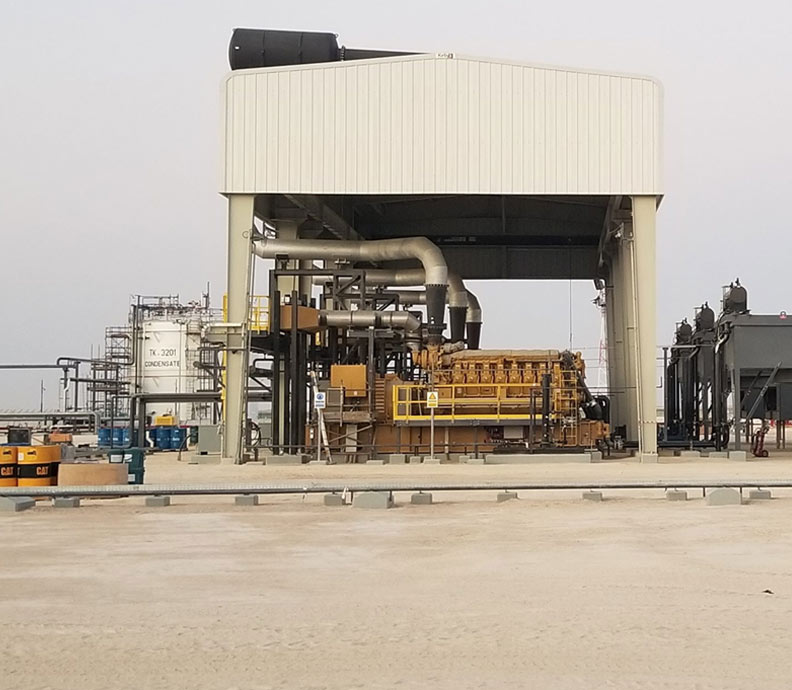
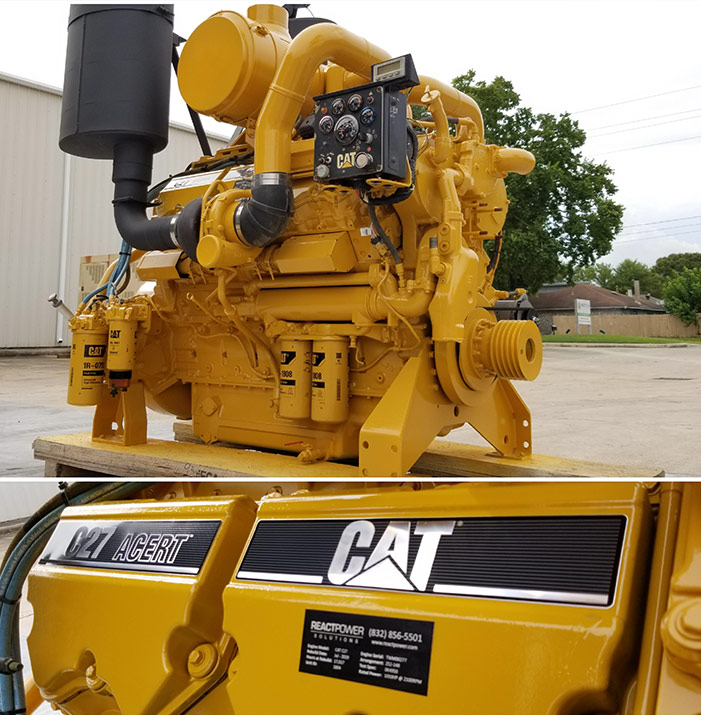
- Diesel generators: Provide reliable, high-output power for facilities with demanding energy requirements. Their durability, fuel efficiency, and ability to support extended operation make them a strong choice for industrial and commercial applications.
- Natural gas generators: Offer cleaner operation and dependable performance for facilities with access to a reliable natural gas supply. They can help businesses reduce emissions while maintaining consistent backup power.
- Marine and offshore generators: Built to withstand challenging environments where reliable power is essential. These generators are designed for marine vessels, offshore operations, and other specialized applications requiring durable performance.
- Generator ends: Serve as a key component of generator systems by converting mechanical energy into electrical power. Selecting the right generator end ensures compatibility, efficiency, and reliable system performance.
- 50 Hz generator sets: Designed for international power requirements, these generator sets provide dependable energy solutions for facilities and operations using 50 Hz electrical systems.
Working with a Professional for Accurate Generator Sizing
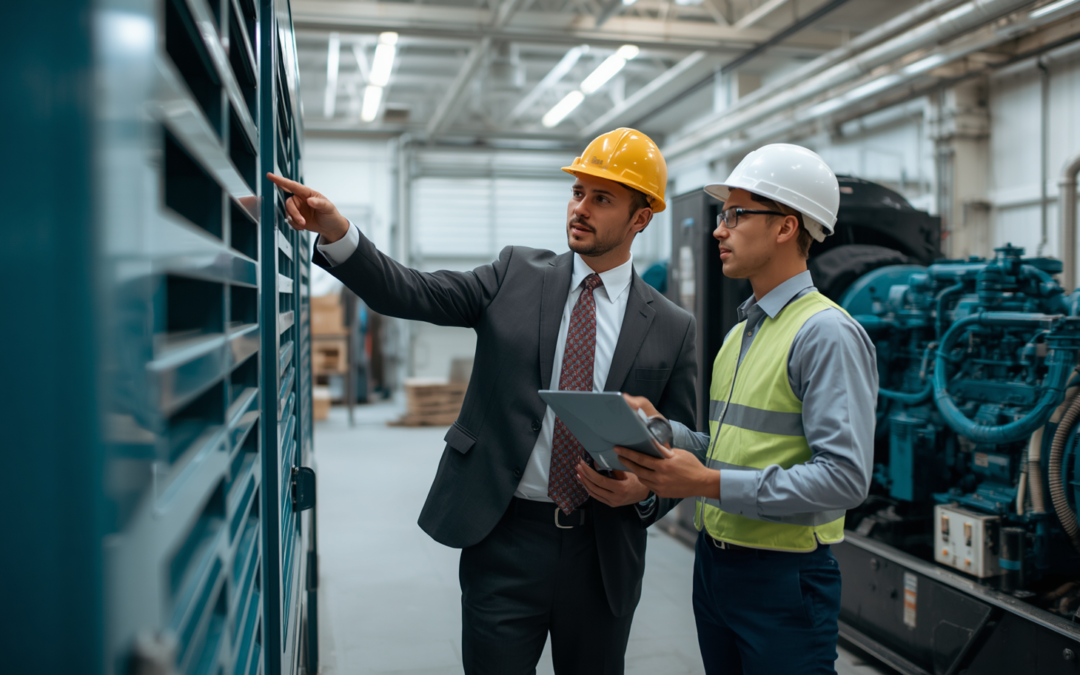
While you might be tempted to handle generator sizing on your own, working with a professional can save you time and money in the long run. An experienced professional brings a wealth of knowledge to the table, assessing your facility’s unique power requirements with precision.
Professionals offer customized solutions that cater to your specific needs, considering all factors, including business growth plans. They can guide you through compliance with local regulations, ensuring your generator setup meets all necessary standards.
Collaborative planning with experts ensures optimal generator performance, helping you avoid costly mistakes. Professionals can also provide performance charts and power systems assessments, giving you a comprehensive understanding of your backup power needs.
Why Facilities Choose React Power Solutions
At React Power Solutions, we understand that accurate generator sizing is essential for maintaining reliable operations. Our team works with businesses to evaluate their power requirements, recommend the right equipment, and provide solutions that align with their facility’s current needs and future growth plans. With a wide selection of diesel and natural gas generators, we help customers find dependable power systems built for their specific applications.
From equipment selection and inspections to customized power solutions, we provide the expertise needed to support businesses through every stage of the generator process. Our goal is to help facilities avoid costly sizing mistakes, improve system reliability, and choose generator solutions that deliver consistent performance when backup power is needed most.
Generator Sizing for Business FAQs
Can a generator that is too large cause problems?
Yes, an oversized generator can create unnecessary costs and efficiency issues. A generator that consistently operates below its intended load may use fuel inefficiently, experience increased maintenance needs, and result in a higher upfront investment than your facility requires.
What information is needed to properly size a commercial generator?
Accurate generator sizing requires details about your facility’s electrical systems, including equipment loads, voltage requirements, operating conditions, and critical systems that need backup power. Information about future expansion plans and expected runtime needs can also help determine the best generator capacity.
Do generators need to power an entire facility during an outage?
Not always. Many businesses choose to power only essential systems, such as safety equipment, HVAC, security systems, production equipment, or critical technology. Prioritizing which systems require backup power can help determine a more cost-effective generator size.
How does generator sizing affect fuel consumption?
Generator size directly impacts fuel efficiency and operating costs. A properly sized generator can run efficiently under the expected load, while a system that is too large or too small may consume more fuel than necessary or experience added strain during operation.
Can my generator size be increased if my business grows?
Yes, generator planning should account for future growth whenever possible. Businesses may be able to select a system with additional capacity, add parallel generator units, or upgrade equipment as power demands increase. Planning ahead can help avoid costly replacements later.
Choosing the Right Generator Size for Your Facility
Proper generator sizing is essential for maintaining reliable power, protecting critical systems, and minimizing unnecessary costs. By evaluating your facility’s power requirements, future growth plans, operating conditions, and equipment needs, you can select a generator that provides the right balance of performance and efficiency. A properly sized generator helps ensure your business remains prepared for unexpected outages without investing in more capacity than necessary.
As a generator solutions provider, React Power Solutions helps businesses identify the right equipment for their unique power needs. Our team works with customers to evaluate applications, recommend reliable generator solutions, and provide equipment options designed to support commercial, industrial, and specialized operations.
Ready to find the right generator solution for your facility? Contact us today to discuss your power requirements and explore generator options built for your business.